New Flavors on the Menu: How to Help Your Child Try More Variety Without the Drama

New Flavors on the Menu: How to Help Your Child Try More Variety Without the Drama
When your child refuses to taste anything new, mealtime can quickly turn into a standoff. Many parents know the frustration of spending time cooking, only to be met with a firm “no thanks.” But it doesn’t have to be that way. With patience, curiosity, and a few small changes, you can help your child expand their palate—without turning dinner into a battle.
Understand Why Kids Say No
A child’s hesitation toward new foods is completely normal. It’s called food neophobia—a natural fear of the unfamiliar—and it’s part of how children learn about the world. For most kids, it’s not about being picky; it’s about feeling safe. They prefer what they know and instinctively resist anything that looks, smells, or feels different.
That’s why repetition and patience are key. Research shows that a child may need to be exposed to a new food 10–15 times before accepting it. So don’t give up after the first—or even the fifth—try.
Create a Calm Mealtime Environment
A relaxed atmosphere is the best foundation for introducing new foods. When mealtime feels pressured or tense, resistance only grows stronger.
- Skip the pressure and threats. Saying “you have to eat this” rarely works. It can actually make your child associate food with stress.
- Keep it pleasant. Talk about your day, play some soft music, and make the meal about connection—not compliance.
- Offer choices. Let your child pick between two vegetables or serve themselves from a shared dish. Having a sense of control makes kids more open to trying new things.
When children feel safe and respected, curiosity can take the lead.
Make Food Exploration Fun
Play and curiosity are powerful motivators for kids. Use them to your advantage when expanding your family’s menu.
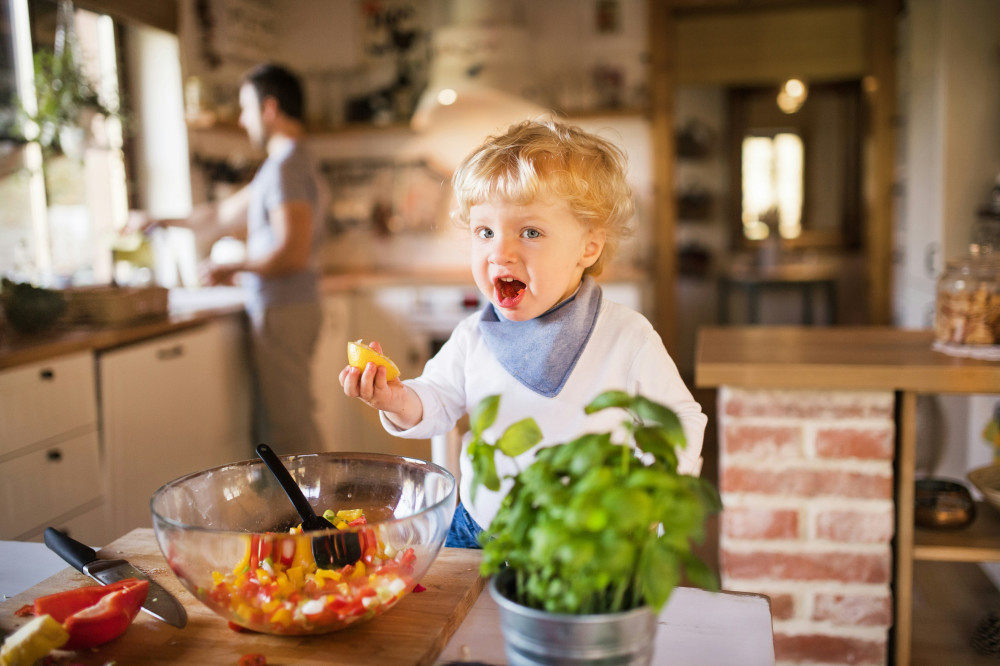
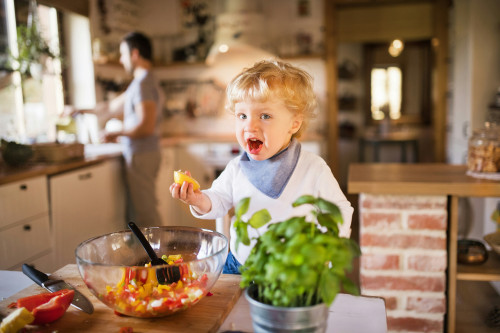
- Get them involved in the kitchen. Let your child rinse produce, stir the pot, or sprinkle cheese on top. When they’ve helped prepare the meal, they’re often more willing to taste it.
- Turn tasting into a game. Create a “taste test” with small bites of different foods, or play “guess the flavor.”
- Use color and imagination. A green smoothie can become “monster juice,” and orange soup can be “sunshine soup.” Making food playful helps take the pressure off.
The goal isn’t to trick your child—it’s to make food a positive, engaging experience.
Introduce New Foods in Small Steps
Big changes can feel overwhelming. Start with small tweaks to foods your child already enjoys.
- Add finely chopped veggies to familiar dishes—like carrots in spaghetti sauce or beans in tacos.
- Serve a new food alongside a favorite one. If your child loves mac and cheese, try adding a few peas or broccoli florets.
- Keep offering it. The more often your child sees and tastes a food, the more normal it becomes.
Small steps lead to bigger successes—and fewer dinnertime meltdowns.
Be a Role Model
Kids learn by watching. If you eat a variety of foods and show genuine enjoyment, your child is more likely to follow your lead.
Talk positively about new dishes, and avoid showing disgust—even if something isn’t your favorite. When your child sees you trying and enjoying new foods, it sends a powerful message.
Family meals also help. Sitting down together, even a few times a week, creates a sense of routine and gives kids a chance to see healthy eating in action.
Læs også:



Remember: Variety Takes Time
Expanding a child’s taste buds doesn’t happen overnight—and that’s okay. The goal isn’t for your child to love everything, but to be open to trying. Some kids need months, others years. What matters most is keeping mealtime positive and pressure-free.
When food feels safe, fun, and shared, variety will come naturally—one bite at a time.
Læs også: