Meals with Meaning: Building Your Family’s Rhythm Around Healthy Food

Meals with Meaning: Building Your Family’s Rhythm Around Healthy Food
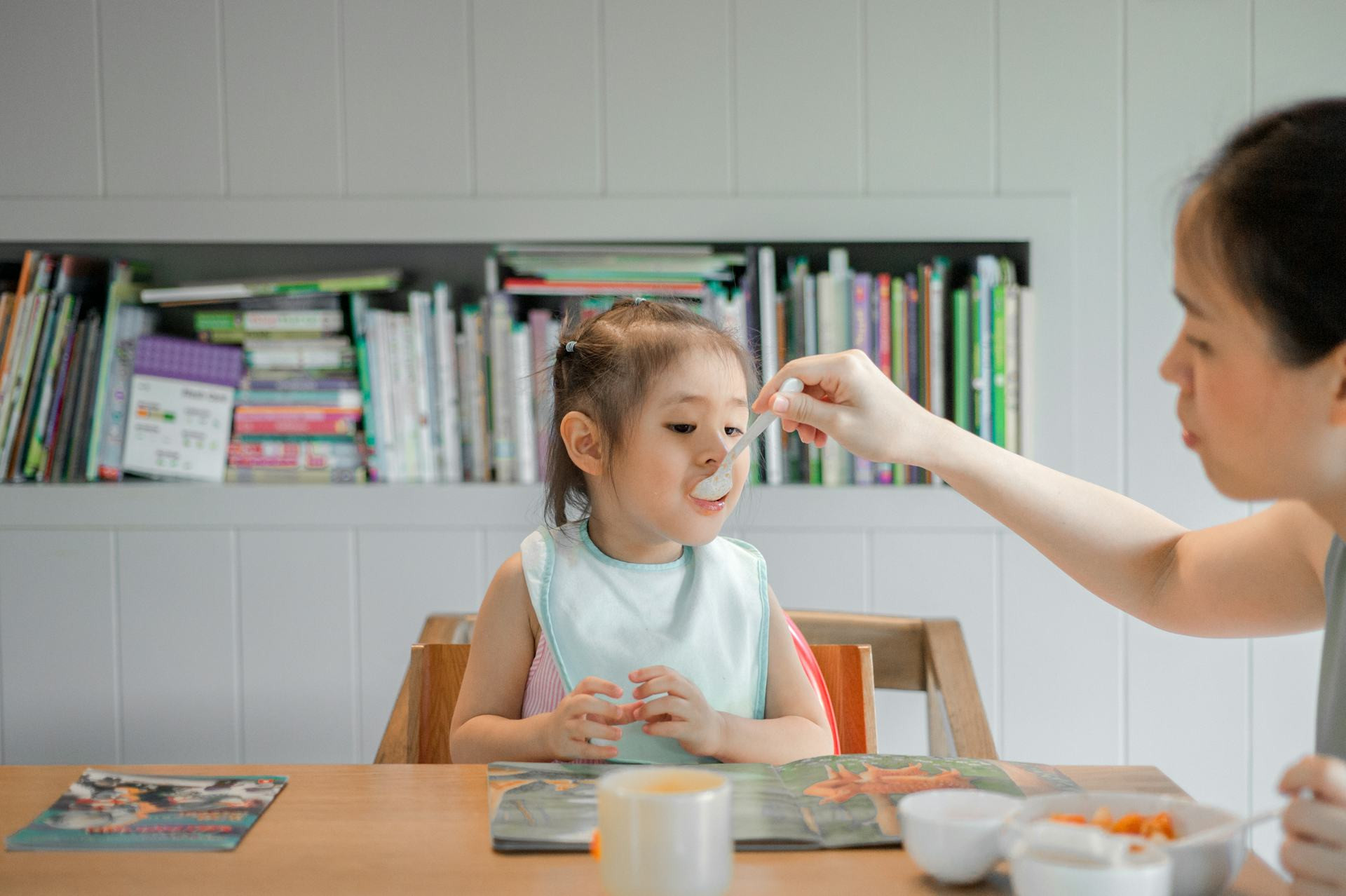
In the rush of everyday life, meals can easily turn into quick pit stops between work, school, and activities. But family meals are about more than just getting food on the table—they’re an anchor in your family’s rhythm, a time for connection, conversation, and healthy habits. When we eat together, we nourish not only our bodies but also our relationships. Here’s how you can create meals with meaning in your home.
Together at the Table – More Than Just Food
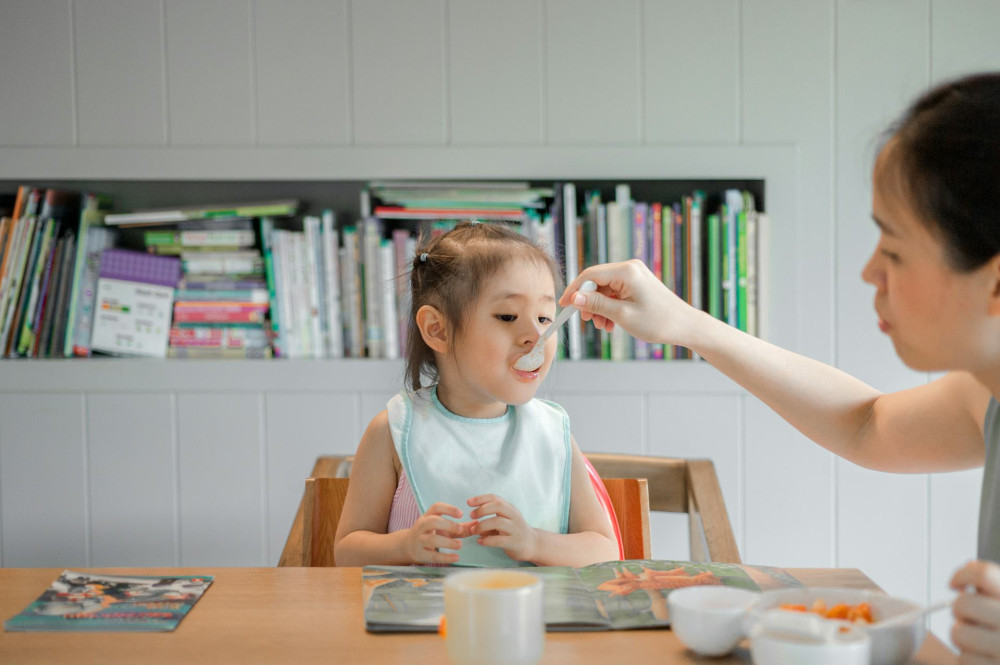
A shared meal is one of the few moments in the day when everyone can come together. It’s a chance to talk, listen, and strengthen family bonds. Research in the U.S. shows that children who regularly eat with their families tend to have better emotional well-being, healthier eating habits, and stronger communication skills.
That doesn’t mean every meal has to be perfect. What matters most is consistency—making it a habit to gather, even if it’s just for dinner most nights. Create a calm atmosphere, turn off screens, and let the conversation flow naturally. It’s in these small, everyday moments that family connection grows.
Planning Brings Peace of Mind
One of the biggest challenges for American families is fitting healthy meals into a busy schedule. A little planning can make all the difference. Spend some time on the weekend mapping out meals for the week—it saves time, money, and stress.
- Make a weekly meal plan with dishes everyone enjoys. Let kids help choose; they’re more likely to eat what they helped plan.
- Prep ingredients ahead of time—wash and chop veggies, cook grains, or marinate proteins for quick weeknight meals.
- Think leftovers—roast extra chicken for tacos or salads the next day.
- Keep it simple—healthy food doesn’t have to be fancy. Fresh, seasonal ingredients can make quick, nourishing meals.
When you have a plan, it’s easier to stay calm and enjoy mealtime together.
Get Kids Involved – From Kitchen to Table
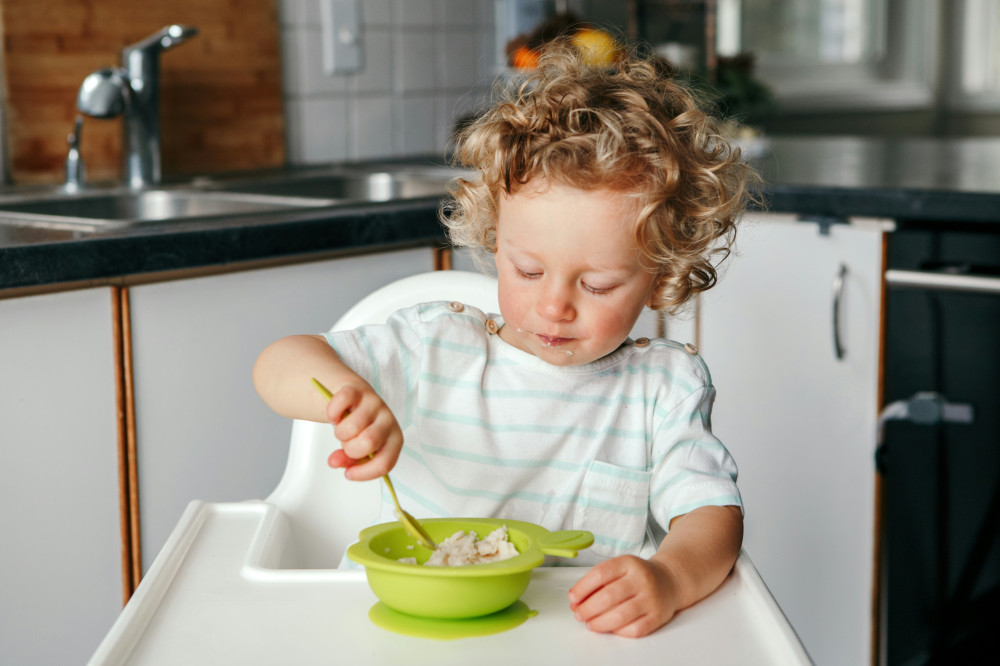
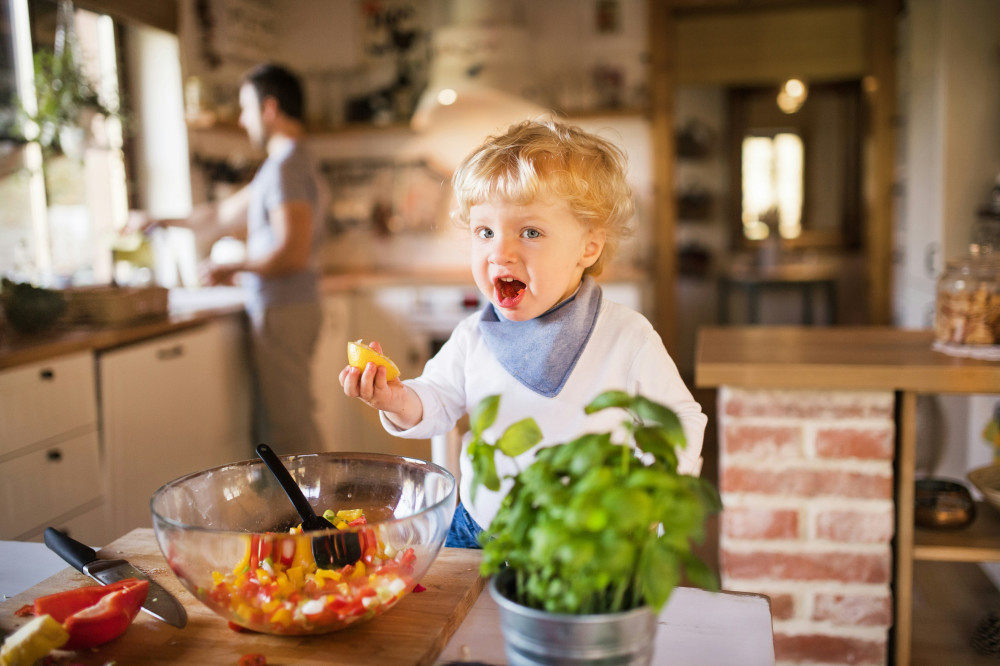
Kids who help in the kitchen often become more curious and open to trying new foods. Give them age-appropriate tasks: rinsing vegetables, stirring a pot, setting the table, or choosing a “family favorite” recipe for the week.
Cooking together isn’t just about teaching practical skills—it’s about giving children a sense of ownership and pride. When they’ve helped make the meal, it usually tastes better to them, too.
Plus, cooking can be a fun family activity in itself—a time to laugh, learn, and connect.
Læs også:
Build Healthy Habits – Without Strict Rules
Healthy eating isn’t about rigid restrictions; it’s about balance. Instead of focusing on what to avoid, talk about what to add—more fruits, vegetables, whole grains, and lean proteins.
Start with small, lasting changes. Swap white bread for whole grain, serve water as the go-to drink, and save sweets for special occasions. When kids see that healthy food is a normal, enjoyable part of daily life—not a chore—they’re more likely to carry those habits into adulthood.
Traditions and Rhythm Create Comfort
Meals can also bring structure and comfort to family life. Many families find joy in simple routines—like weekend breakfasts together or a weekly “family night” where everyone helps cook and eats without distractions.
Small traditions like these give rhythm to the week and remind children that mealtime is special. It could be as simple as lighting a candle, saying what you’re grateful for, or letting the kids pick a “theme night.” It’s not the ritual itself that matters most, but the sense of togetherness it creates.
When Life Doesn’t Go as Planned
Even with the best intentions, there will be days when time is short and plans fall apart—and that’s okay. The goal isn’t perfection; it’s connection.
A quick meal can still be meaningful if you sit down together and take a few minutes to talk. Sometimes, those spontaneous “clean-out-the-fridge” dinners become the ones everyone remembers most.
Meals with Meaning – Every Day
Creating meals with meaning isn’t about following a strict diet—it’s about using food as a way to build connection, presence, and healthy habits. When your family gathers around the table, food becomes more than fuel—it becomes part of your family’s rhythm and identity.
So next time you sit down to eat, remember: what’s on the plate matters, but who you share it with matters even more.
Læs også: