Joy of Food and Confidence: Let Your Child Make Small Decisions at the Table

Joy of Food and Confidence: Let Your Child Make Small Decisions at the Table
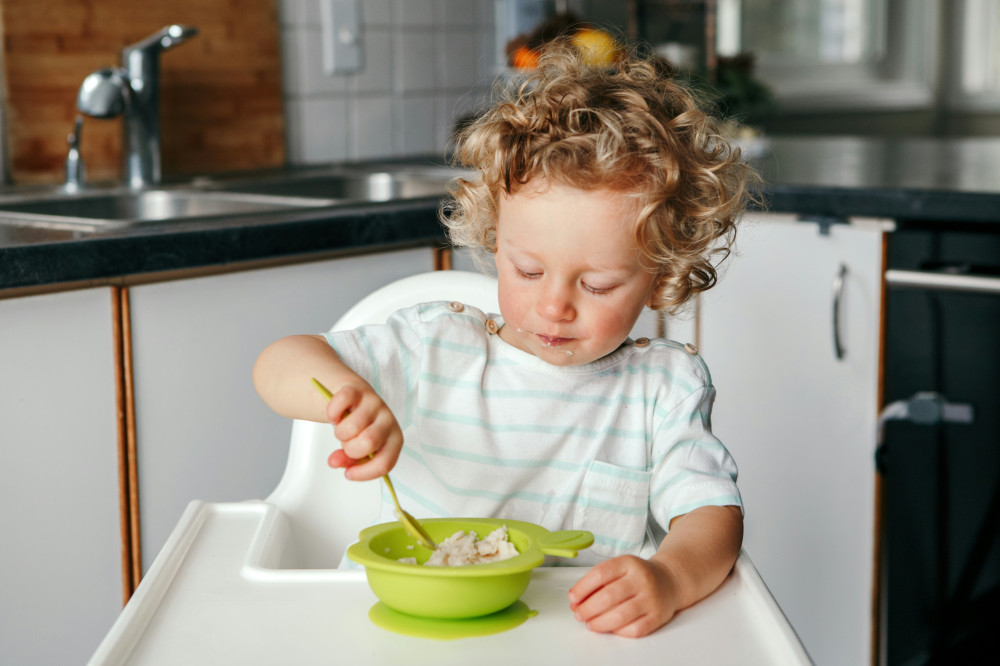
When children are allowed to make small decisions about food, both their joy of eating and their confidence grow. It’s not about giving up all structure, but about involving your child in everyday meals in a way that gives them ownership and curiosity. By letting your child choose between two vegetables, pour their own milk, or decide how to arrange food on their plate, you show them that food is something they can influence—and something that can be fun.
Small Choices, Big Impact
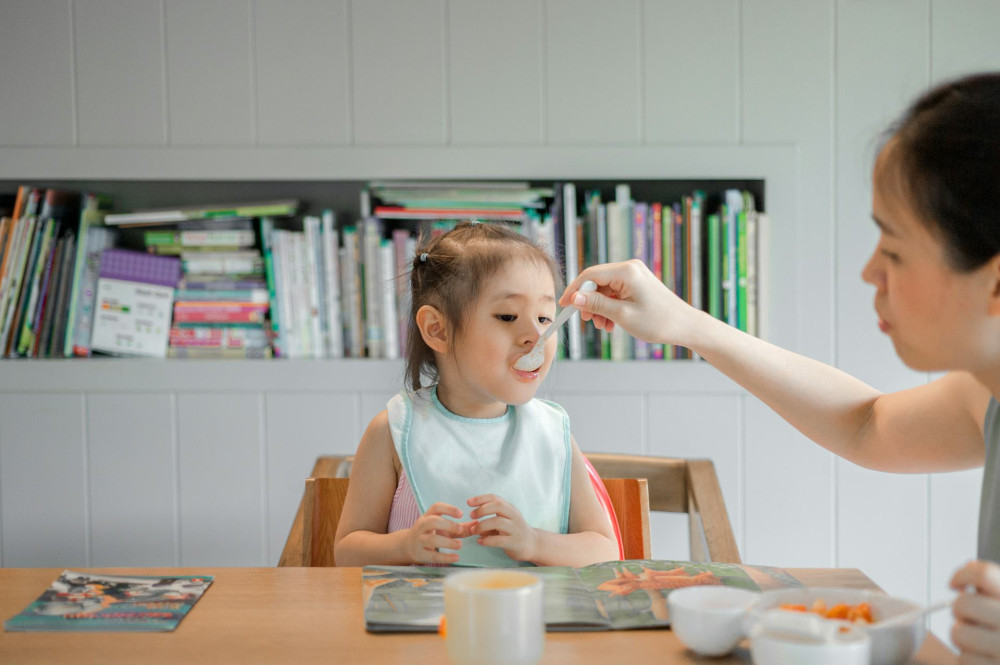
For children, mealtime is more than just filling their stomachs. It’s a social and sensory experience where they learn about taste, texture, and togetherness. When you give your child the chance to make small decisions, you send a message of trust: “I believe you can do this.” That trust builds self-esteem and encourages curiosity about new foods.
Start small. Try asking:
- “Would you like carrots or cucumbers today?”
- “Do you want the sauce on the side or on top?”
- “Would you like to pour your own water?”
These choices may seem minor, but they give your child a sense of control and participation—something that can reduce mealtime struggles and increase their willingness to eat.
Læs også:
Creating a Safe Space for Food Exploration
Children need a sense of safety when trying new foods. If they feel pressured to eat something, it can create resistance. But when they’re allowed to explore at their own pace, their courage to try new things grows naturally. You can support this by introducing new foods without expecting your child to eat them right away. Maybe they’ll just touch, smell, or take a tiny bite—and that’s perfectly fine.
A helpful approach is to serve familiar and new foods together. If your child loves pasta, you might add a few peas to the sauce or offer a new topping on the side. This way, the unfamiliar becomes part of something comforting.
Make Mealtime a Shared Project
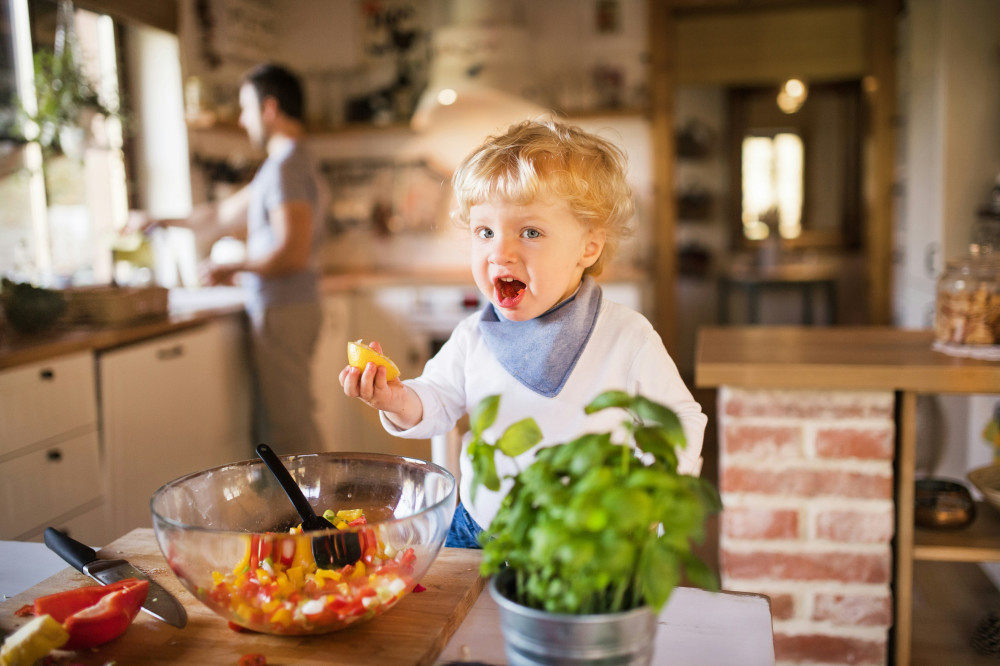
When children take part in preparing food, their interest in eating it increases. It doesn’t have to be complicated—simple tasks like rinsing vegetables, stirring a pot, or setting the table can make a big difference. These small responsibilities give your child a sense of pride when the meal is served.
You can also involve your child in planning meals for the week. Ask questions like, “What would you like us to make one night this week?” or “Which dish should we cook together this weekend?” This shows that their opinion matters and can lead to great conversations about taste, health, and family traditions.
When Things Don’t Go as Planned
There will be days when your child refuses to eat something or when mealtime turns into a standoff. That’s completely normal. Try to stay calm and avoid turning food into a power struggle. Instead of insisting that your child eat, you might say, “You can decide if you want to try it. The food will be here if you change your mind.” This keeps the atmosphere relaxed and helps your child tune in to their own hunger and fullness cues.
Remember, children learn through repetition. What they reject today might become their favorite food next month. Patience and positive experiences at the table are key.
A Joy of Food That Lasts
When children are allowed to make small decisions at the table, they learn more than just about food—they learn about themselves. They discover that their choices matter and that they can trust their own senses. That builds a foundation of confidence that extends far beyond mealtime.
In the end, the joy of food is about more than taste. It’s about connection, curiosity, and respect—for the food and for each other. And it all begins with the small choices you let your child make every day.
Læs også: