A Child-Friendly Kitchen – Safety and Independence in Cooking

A Child-Friendly Kitchen – Safety and Independence in Cooking
Inviting children into the kitchen can be a joyful and rewarding experience. Cooking together not only strengthens family bonds but also helps kids build confidence, learn responsibility, and develop practical life skills. Yet, the kitchen is full of potential hazards—from sharp knives to hot stovetops—so creating a child-friendly space is about more than just cute aprons and colorful utensils. It’s about designing a safe environment where children can explore, learn, and gradually become more independent.
Here’s how to set up a kitchen that encourages both safety and curiosity.
Start with a Safe and Organized Space
A child-friendly kitchen begins with structure and clear boundaries. Make sure kids know where things belong and which tools they’re allowed to use. Consider setting up a “kid zone” with age-appropriate utensils—plastic mixing bowls, small whisks, and child-safe knives with rounded tips.
Take a moment to look at your kitchen from a child’s perspective:
- Are sharp tools or heavy objects within reach?
- Could a child accidentally pull down a pot handle from the stove?
- Are cleaning products stored securely out of sight?
Simple adjustments can make a big difference. Use cabinet locks for hazardous items, turn pot handles inward while cooking, and keep cords from appliances tucked away. These small steps help prevent accidents before they happen.
Teach the Basics of Kitchen Safety
Children learn best when they understand the “why” behind the rules. Instead of just saying “be careful,” explain what happens if they touch a hot pan or why washing hands before cooking is important.
Create a few simple kitchen rules together and post them on the fridge:
- Wash your hands before touching food.
- Use a cutting board and cut away from your body.
- Ask an adult before turning on the stove or oven.
- Clean up as you go to keep your workspace safe.
When kids understand the reasons behind these rules, they’re more likely to follow them and take ownership of their actions.
Læs også:

Age-Appropriate Tasks
Every child develops at their own pace, but assigning tasks suited to their age and abilities helps them feel capable and included.
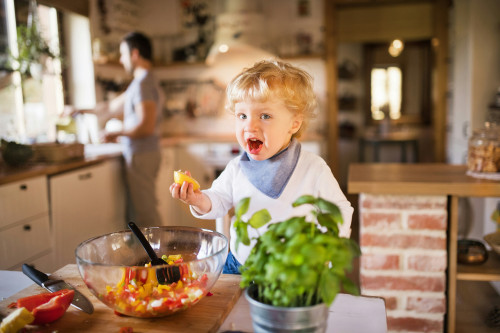
- Ages 3–5: Rinse fruits and vegetables, stir ingredients, pour pre-measured items, and help set the table.
- Ages 6–8: Begin using a child-safe knife, measure ingredients, and assist with simple baking tasks.
- Ages 9–12: Prepare easy dishes like scrambled eggs, pasta salad, or pancakes under supervision.
- Ages 13+: Handle the stove and oven independently, while still being reminded of safety habits.
Giving children responsibility that matches their skill level builds confidence and teaches them that they’re an important part of family life.
Make Safety Part of the Fun
Safety doesn’t have to feel strict or boring. Turn it into a game or challenge. For example, have a “kitchen safety scavenger hunt” where kids find the items needed to cook safely—oven mitts, cutting boards, towels, and a trash bin.
Also, teach them what to do when things go wrong: how to clean up spills, what to do if they get a small burn, or how to ask for help if they cut themselves. Knowing how to respond calmly helps children feel secure and capable.
Design the Kitchen for Participation
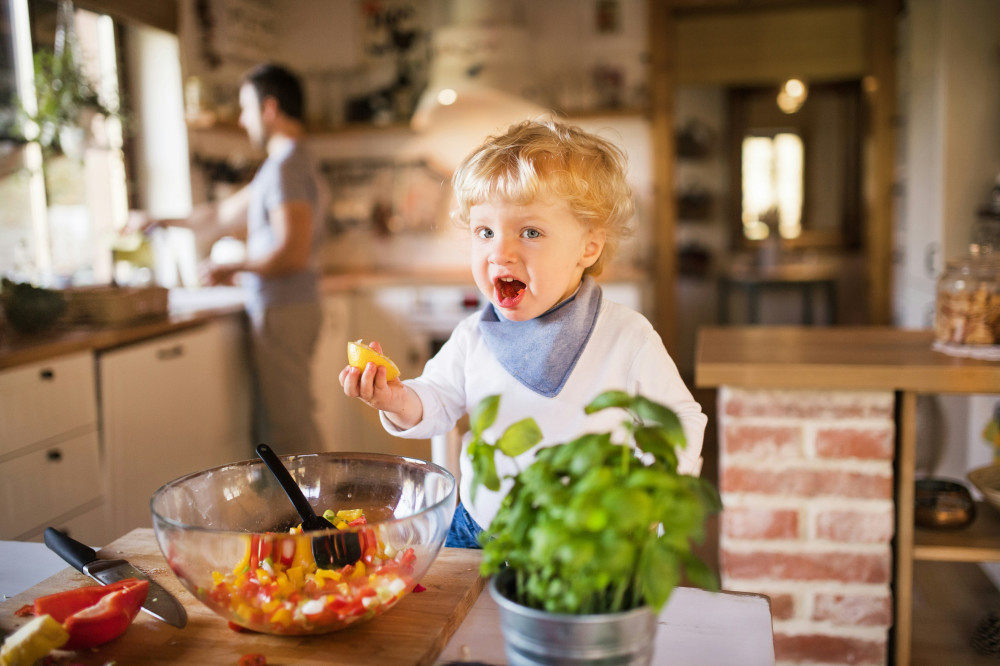
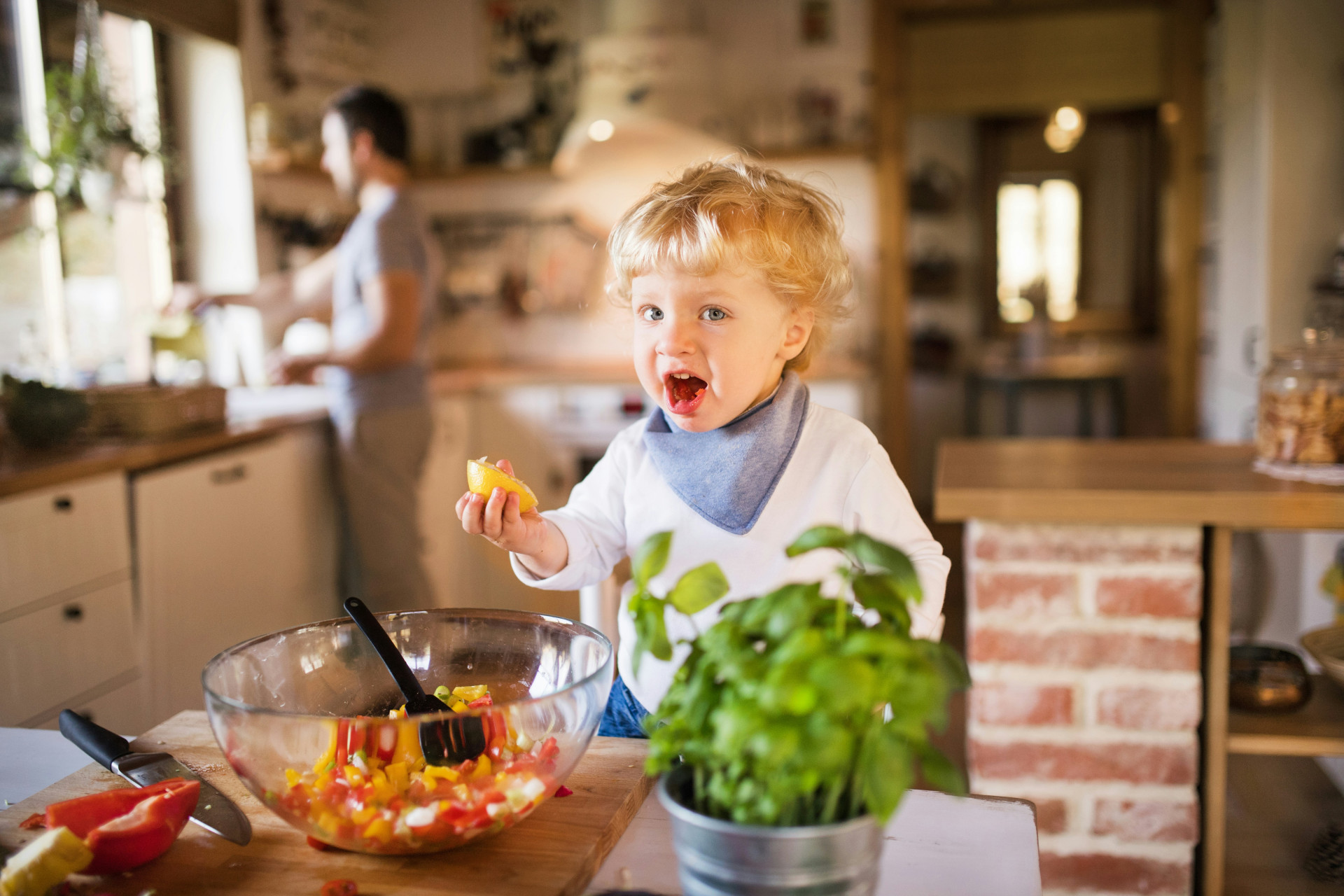
Accessibility is key. A sturdy step stool or a small work table at child height allows kids to join in comfortably. Make sure the area is well-lit and that there’s enough space to work side by side.
If possible, create a designated “kids’ corner” in the kitchen where they can mix, chop, and taste without being too close to hot surfaces. This setup keeps everyone safe and makes cooking together more enjoyable.
Cooking as Learning and Connection
Cooking is a hands-on way for children to learn math, science, and teamwork. Measuring ingredients teaches fractions, mixing dough shows cause and effect, and following a recipe builds focus and patience. It’s also a great opportunity to talk about where food comes from and why healthy eating matters.
Use cooking time to spark curiosity: Why does bread rise? What happens when butter melts? These small discoveries turn the kitchen into a place of exploration and learning.
Embrace Mistakes and Celebrate Effort
No one learns to cook without a few spills or burnt pancakes. The key is to treat mistakes as part of the process. Praise your child’s effort and curiosity rather than just the final result. This encourages them to keep trying and to take pride in their growing independence.
In the end, a child-friendly kitchen is about more than safety—it’s about creating a space filled with trust, joy, and shared experiences. When children are invited to cook, they don’t just learn how to make a meal; they learn confidence, creativity, and the value of working together.
Læs også: