Waiting Their Turn: How to Help Your Child Master Cooperative Play and Patience

Waiting Their Turn: How to Help Your Child Master Cooperative Play and Patience
Waiting for a turn might seem like a small thing, but for a child, it’s a big step toward self-control, empathy, and understanding how to be part of a group. The ability to pause, listen, and make space for others doesn’t come naturally—it’s a skill that must be learned and practiced in a safe, supportive environment. As a parent, you play a key role in helping your child develop patience and cooperation through play and everyday experiences.
Why Waiting Is So Hard
Young children live in the moment. Their brains are still developing the parts responsible for planning and self-regulation, so waiting can feel almost impossible—especially when the game is exciting or the toy is something they really want.
When a child interrupts, grabs a toy, or gets upset, it’s rarely about selfishness. More often, it’s a sign that they haven’t yet learned how to manage big feelings or see things from another person’s perspective. That’s where you come in—by providing structure, calm, and words to help them make sense of what’s happening.
Play as a Learning Space
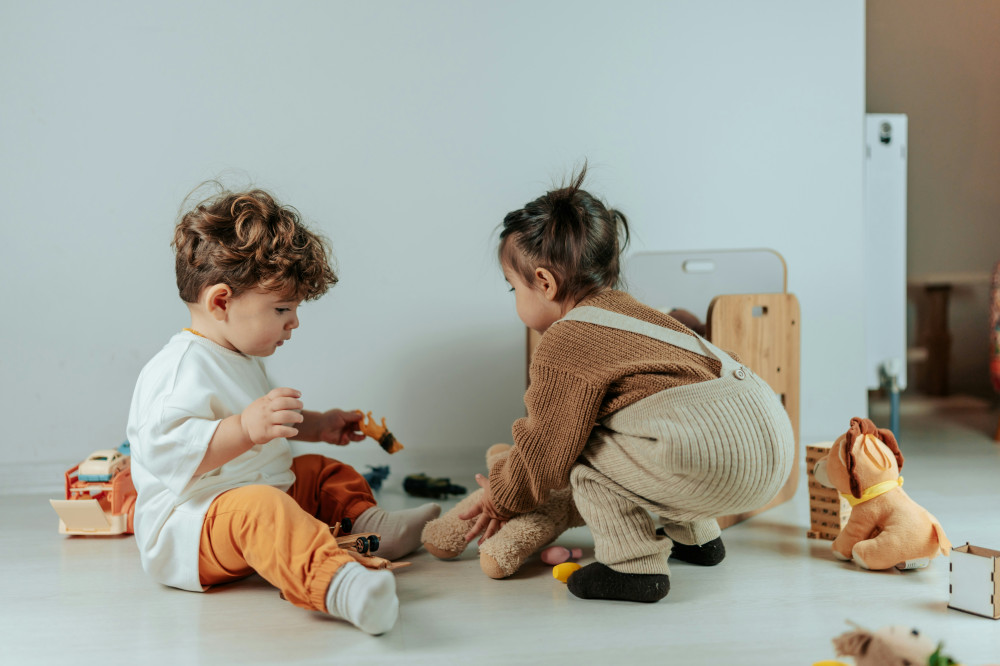
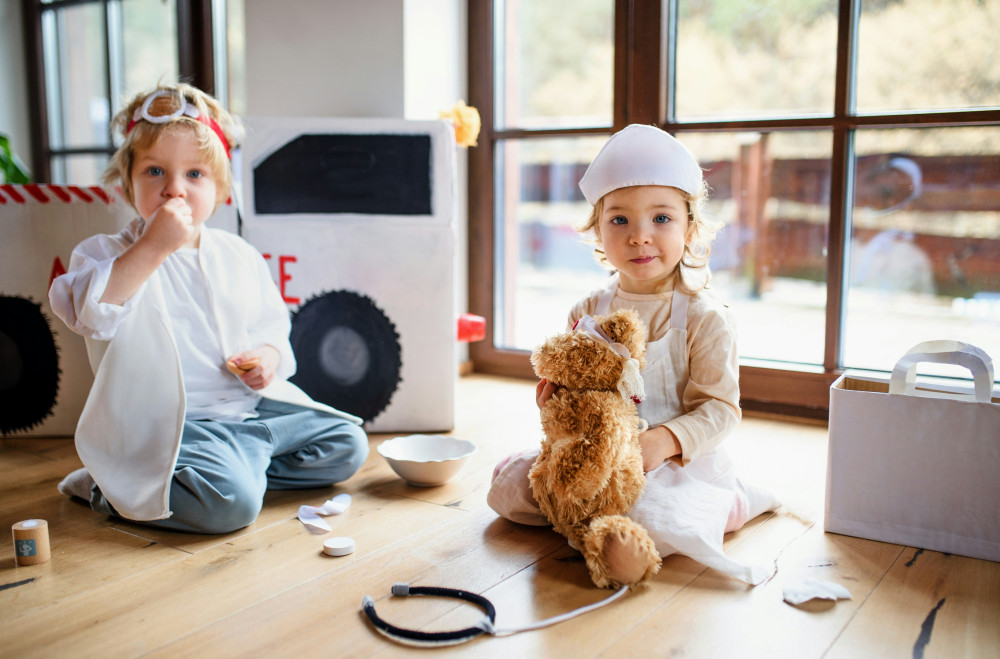
Play is one of the best ways for children to learn patience and cooperation. In play, they naturally encounter moments when they must wait, negotiate, and take others into account—whether it’s waiting for a turn in a board game or building a tower together.
You can support your child’s learning by:
- Joining the play – especially at first, when your child needs help understanding rules and turn-taking.
- Naming the turns: “It’s your turn now, and then it’s Emma’s.” This makes waiting more predictable.
- Praising the effort – not just the outcome. Try saying, “I noticed you waited for your turn. That was great!”
- Making waiting visible – use a small timer, a short song, or a counting game to show when it’s time to switch.
When children experience that waiting leads to something positive, it becomes easier for them to do it again next time.
When Patience Runs Out
Even with support, there will be moments when your child loses patience—and that’s completely normal. Instead of scolding, help them understand what happened: “I can see you got frustrated because you wanted to go first. Waiting is hard, but we’re practicing together.”
By acknowledging their feelings while keeping the boundary, you teach that frustration is okay—but that we still need to respect others. Over time, this helps your child build emotional regulation and resilience.
Everyday Practice Opportunities
Patience can be practiced in many small, daily moments—not just during play. You can:
- Let your child help with cooking, where you wait for the dough to rise or the food to bake.
- Practice taking turns while reading books, playing games, or waiting in line.
- Talk about what waiting feels like and what can help—taking a deep breath, counting, or looking around the room.
These small, repeated experiences in a calm setting make a big difference. The goal isn’t to eliminate waiting, but to make it understandable and manageable.
Patience as Part of Community
Learning to wait isn’t only about self-control—it’s about understanding that we’re all part of a community. When children realize that everyone gets a turn and that it feels good when others get a chance too, they develop empathy and respect.
You can nurture this understanding by talking about how it feels when someone waits for them, or when they get their turn. This helps patience become more than just a rule—it becomes part of who they are as a friend and teammate.
Læs også:




Be Patient—and Be the Example
Children learn most from what they see. When you model patience—by waiting calmly, listening fully before responding, or handling delays with grace—you give your child a living example to follow.
Mastering patience takes time, and there will be setbacks along the way. But with your guidance, consistency, and understanding, patience and cooperative play will become natural parts of your child’s social toolkit—skills that will serve them well in school, friendships, and life.
Læs også: