Make the Healthy Choice Easy: Small Changes at Home That Help Kids Build Better Habits


Make the Healthy Choice Easy: Small Changes at Home That Help Kids Build Better Habits
Healthy habits start at home—and often with the smallest steps. It’s rarely about strict diets or rigid rules, but about creating an environment where the healthy choice is the easy choice. When kids grow up in a home where fruits, movement, and good sleep are part of everyday life, they’re more likely to carry those habits into adulthood. Here’s how a few simple changes can make a big difference.
Make Healthy Choices Visible
Kids tend to reach for what they see first. A few small tweaks in your kitchen can nudge them toward better options—without a single lecture.
- Keep fruits and veggies at eye level—in the fridge and on the counter. A bowl of apples or baby carrots is more tempting than a bag of chips tucked away in the pantry.
- Make water easy to grab—keep a pitcher of cold water in the fridge or reusable bottles ready to go.
- Prep healthy snacks ahead of time—cut up fruit or veggies so they’re ready for quick snacking.
Visual cues matter. When healthy foods are the most visible and accessible, they’re also the most likely to be chosen.
Build Routines That Encourage Movement
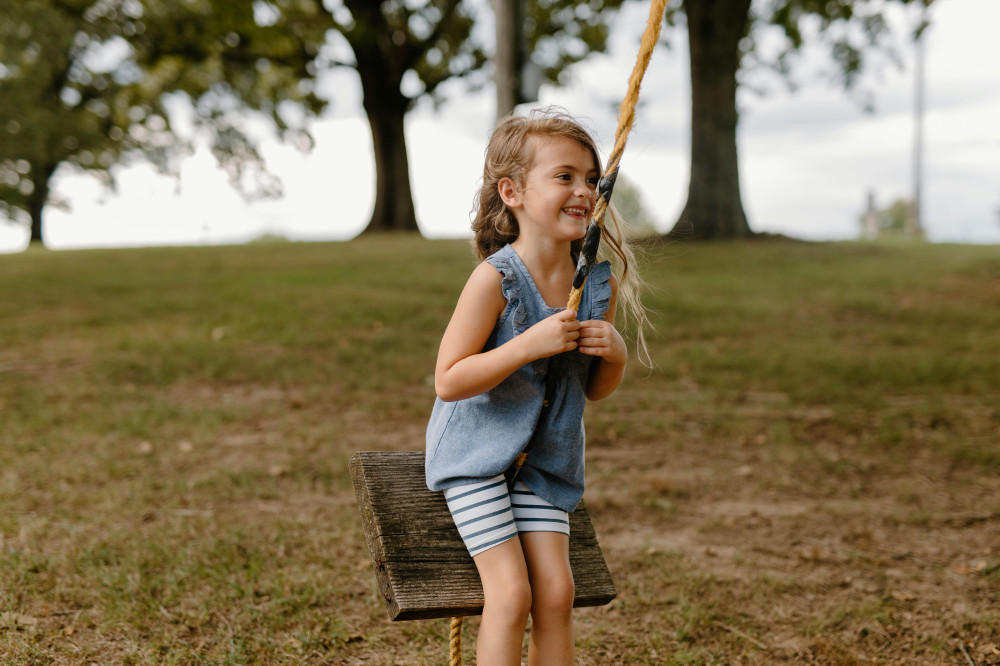
You don’t need a home gym to help kids be more active. The goal is to make movement a natural, fun part of daily life.
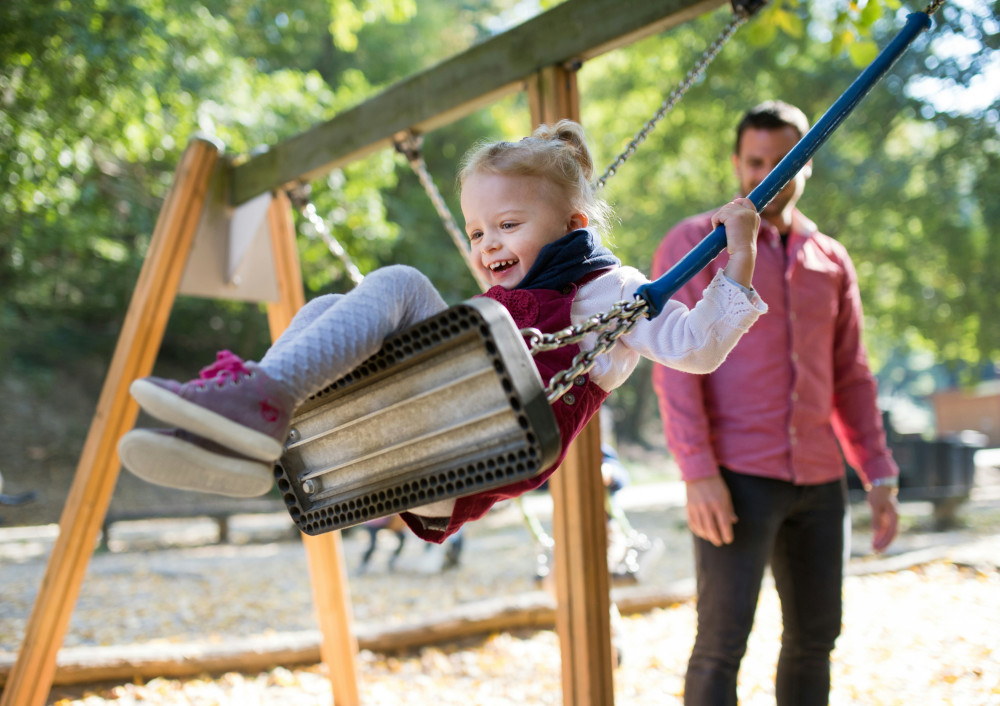
- Walk or bike together whenever possible—to school, the park, or a nearby store.
- Take short movement breaks—stretch, dance, or do a few jumping jacks after long periods of sitting.
- Keep it fun—turn on music and have a dance-off, play tag in the yard, or set up a mini obstacle course.
When activity feels joyful and social, kids see it as play—not a chore—and that mindset sticks.
Læs også:




Design Your Home with Healthy Habits in Mind
Your home environment can either support or sabotage healthy routines. A few thoughtful adjustments can make a big difference.
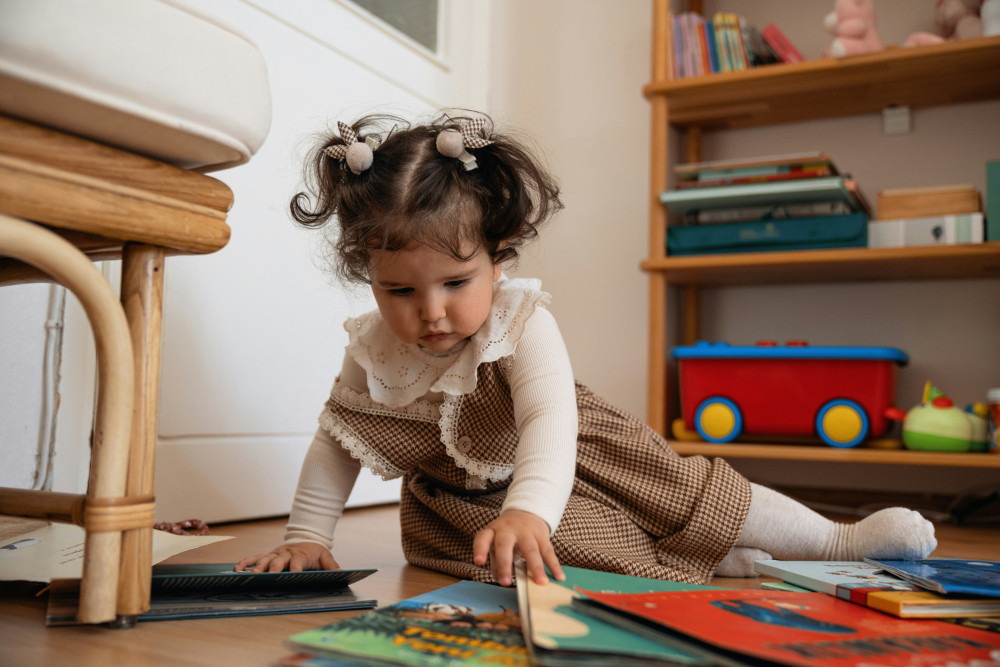
- Create space for play and movement—a basket of balls, jump ropes, or yoga mats can invite spontaneous activity.
- Make the kitchen kid-friendly—let kids help with cooking, stirring, or setting the table. Involvement builds curiosity and ownership over what they eat.
- Keep mealtimes calm and connected—turn off screens and eat together at the table. Shared meals help kids tune in to hunger and fullness cues.
Small environmental changes can make healthy habits feel natural instead of forced.
Sleep and Screen Time: Two Sides of the Same Coin
Good sleep is essential for kids’ health, but it’s often the first thing to slip. Consistent routines and clear boundaries can help.
- Set regular bedtimes—even on weekends. A steady rhythm helps kids fall asleep more easily.
- Create a calming bedtime routine—dim the lights, read a book, and avoid screens for at least an hour before bed.
- Keep devices out of bedrooms—it reduces distractions and improves sleep quality.
When kids get enough rest, they have more energy, focus, and patience for both school and play.
Make It a Family Effort
Kids learn most from what they see. When parents choose veggies, go for a walk, or put their phones away at dinner, kids notice—and often follow. It’s not about perfection, but about showing that health is something the whole family values.
Get kids involved in decisions: let them pick a new fruit to try, plan a weekend bike ride, or start a “healthy challenge” week where everyone participates. When kids feel included, their motivation grows.
Small Steps, Big Impact
Building healthy habits at home doesn’t require major changes. It’s about taking one small step at a time and making the better choice the easier one. Over time, those small adjustments become natural routines that support well-being for the whole family.
When the healthy choice becomes the easy choice, it also becomes the one kids make—on their own.
Læs også: