Sleep Your Way to Smarter Kids: How Curiosity Boosts Children’s Learning and Development

Sleep Your Way to Smarter Kids: How Curiosity Boosts Children’s Learning and Development
When children explore, ask questions, and imagine new possibilities, they’re not just playing — they’re building the foundation for lifelong learning. Curiosity is the spark that drives discovery, creativity, and problem-solving. And just like a good night’s sleep, it’s essential for healthy brain development. But how can parents and educators nurture that natural curiosity so it continues to grow as children do?
Curiosity: The Engine of Learning
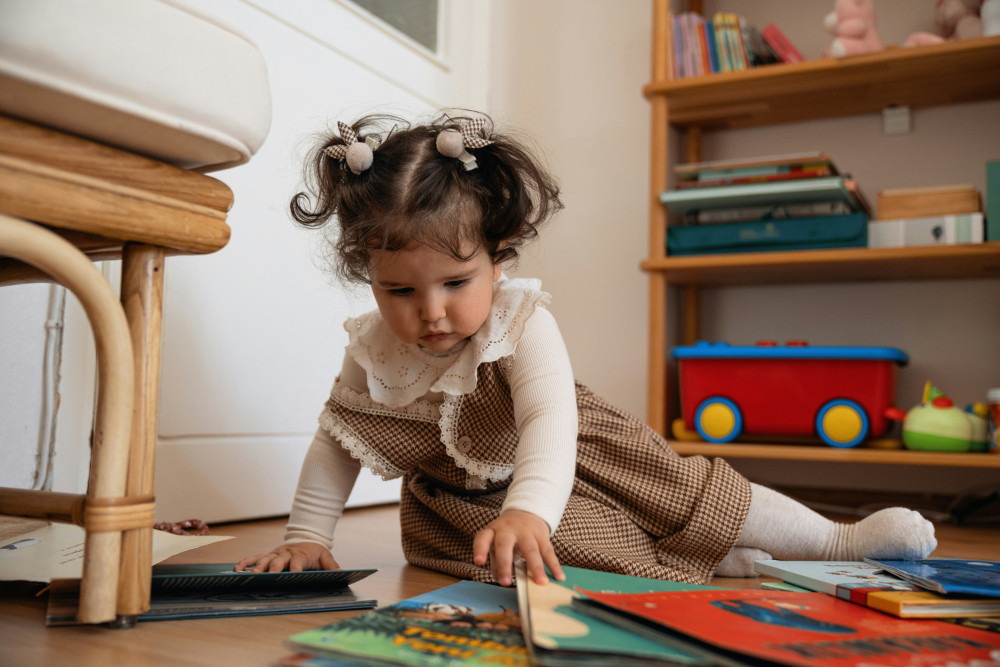
From the moment babies start reaching for objects or following sounds, they’re showing curiosity. This innate drive to understand the world is what fuels learning. When a child asks “why?”, they’re not just seeking information — they’re trying to make sense of how things work.
Research from American universities, including studies at the University of California and the University of Michigan, shows that curiosity activates the brain’s reward system. When children explore and discover something new, their brains release dopamine — the same chemical that makes us feel good when we achieve a goal. This boost in motivation helps them remember what they’ve learned and encourages them to keep exploring.
Play: The Laboratory of Learning
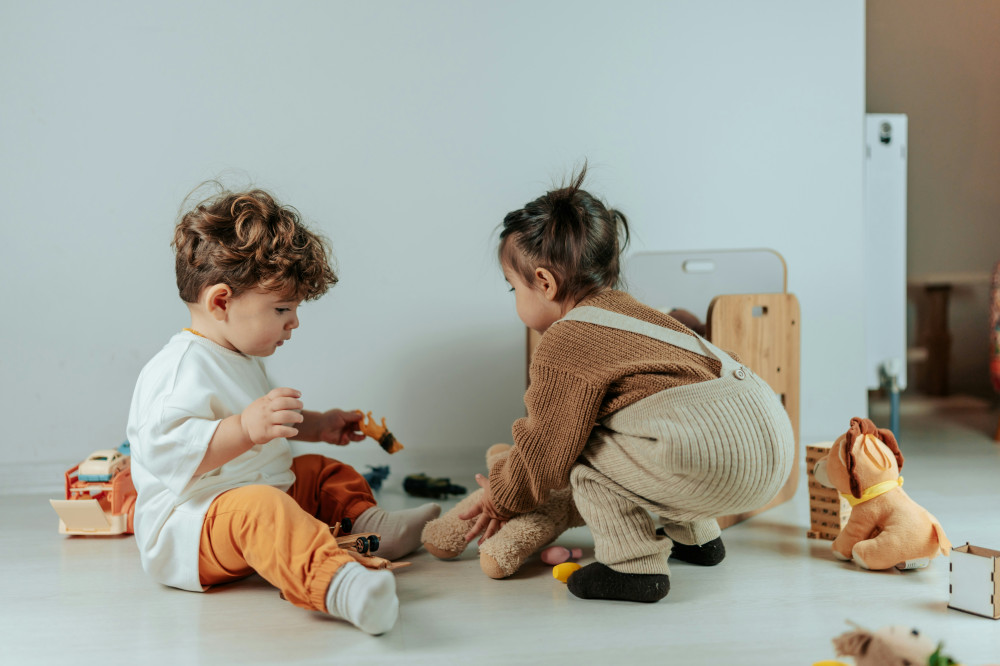
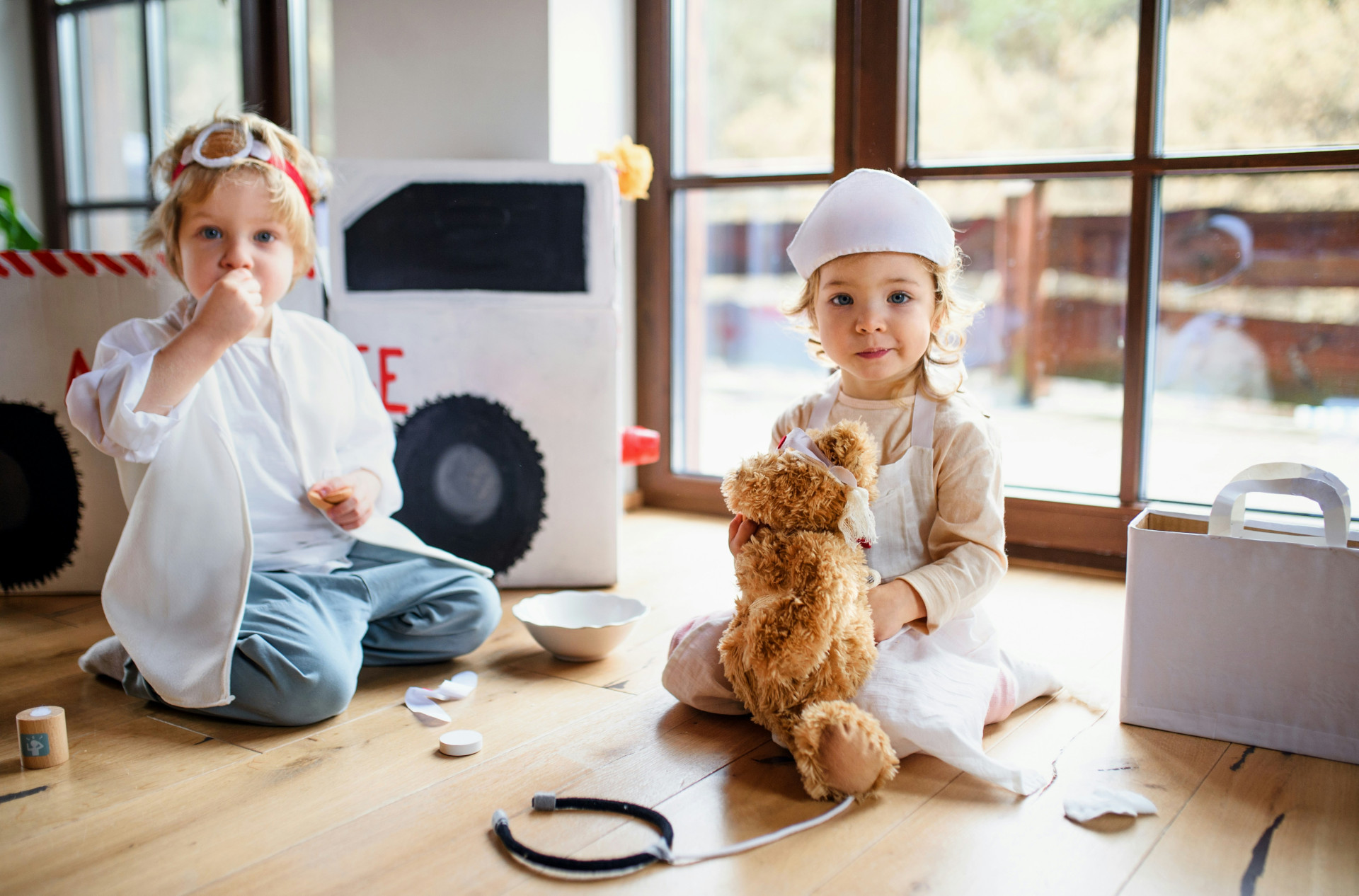
Play is how children experiment with ideas, test boundaries, and learn from mistakes. It’s their natural way of understanding the world — and it’s most powerful when it’s self-directed. Whether they’re building with blocks, pretending to run a restaurant, or exploring the backyard, play helps children develop critical thinking, empathy, and creativity.
- Building and construction play strengthens spatial reasoning and problem-solving.
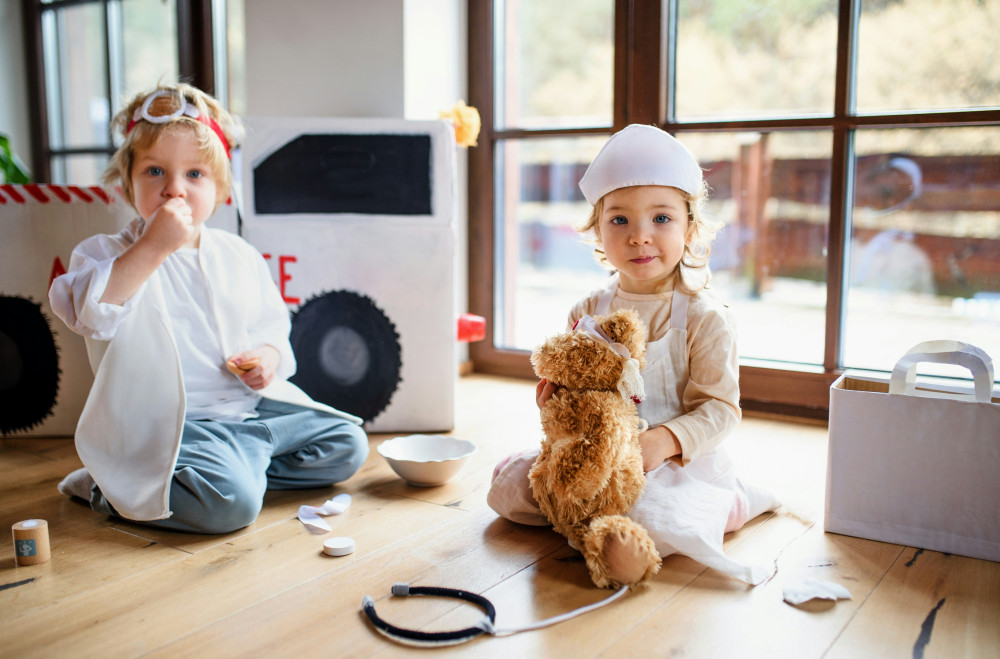
- Pretend play helps children understand emotions and social relationships.
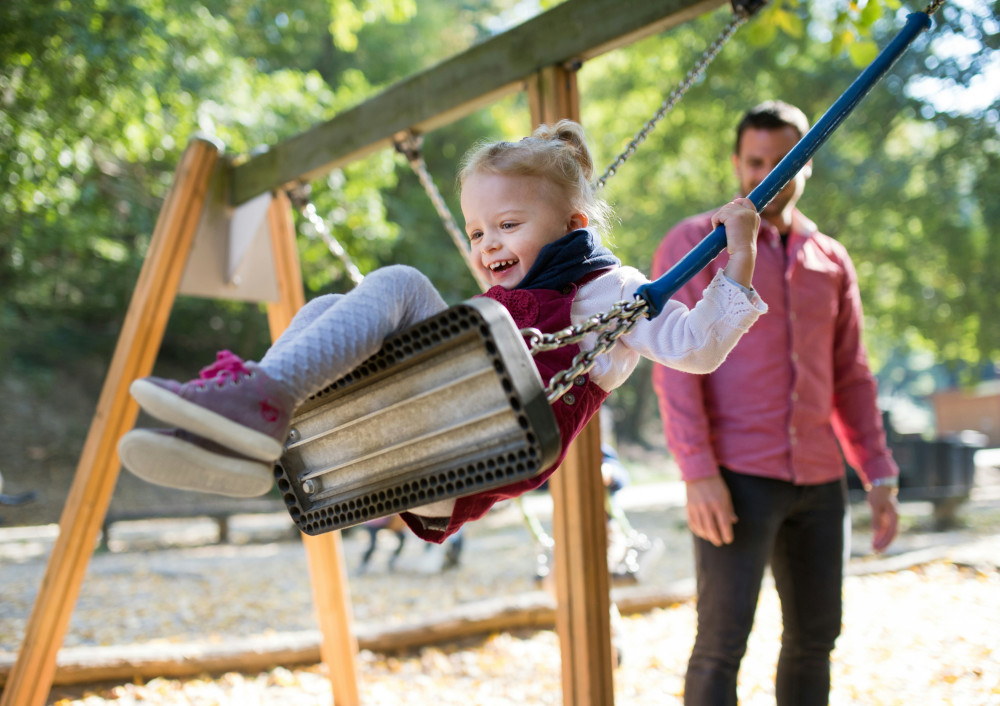
- Outdoor play sharpens attention, reduces stress, and supports physical health.
The key is to let children take the lead. When adults step back and allow space for exploration, curiosity thrives. The best support you can offer is to be present, ask open-ended questions, and show genuine interest in what your child is discovering.
When Curiosity Meets Challenges
As children grow older, structured school environments and performance pressures can sometimes dampen curiosity. When learning becomes focused on right or wrong answers, some kids may start to fear mistakes — and that fear can stifle exploration.
That’s why it’s important to create classrooms and homes where questions are celebrated. Teachers and parents who model curiosity — by wondering aloud, exploring new topics, or admitting when they don’t know something — show children that learning is a journey, not a test.
Læs også:



How Parents Can Nurture Curiosity
You don’t need fancy toys or expensive programs to keep curiosity alive. Everyday moments can become opportunities for discovery. Try these simple strategies:
- Listen to your child’s questions — and look for answers together.
- Encourage deep focus — let your child stay absorbed in an activity, even if it takes time.
- Model curiosity yourself — share your own questions and interests.
- Create an environment full of possibilities — books, art supplies, nature walks, and music all invite exploration.
- Praise effort and process, not just results — this builds confidence and resilience.
A walk around the neighborhood can turn into a science expedition, and a kitchen can become a chemistry lab. What matters most is the freedom to wonder and experiment.
Curiosity as a Lifelong Skill
Curiosity doesn’t end with childhood — it’s a skill that shapes how we learn, adapt, and connect throughout life. In a world that’s changing faster than ever, children who grow up asking questions and seeking answers will be better prepared to navigate new challenges.
When we protect and encourage children’s curiosity, we’re not just helping them learn facts — we’re helping them fall in love with learning itself. And that love of learning, much like a good night’s sleep, is one of the greatest gifts we can give them.
Læs også: