Together We Grow Smarter: How Collaboration Among Children Enhances Their Learning

Together We Grow Smarter: How Collaboration Among Children Enhances Their Learning
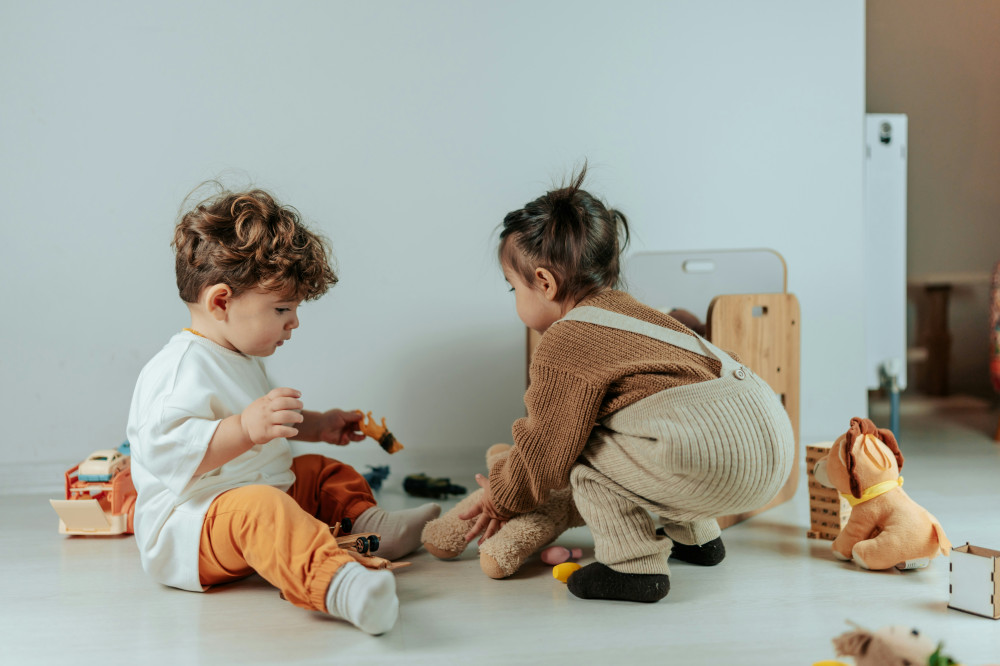
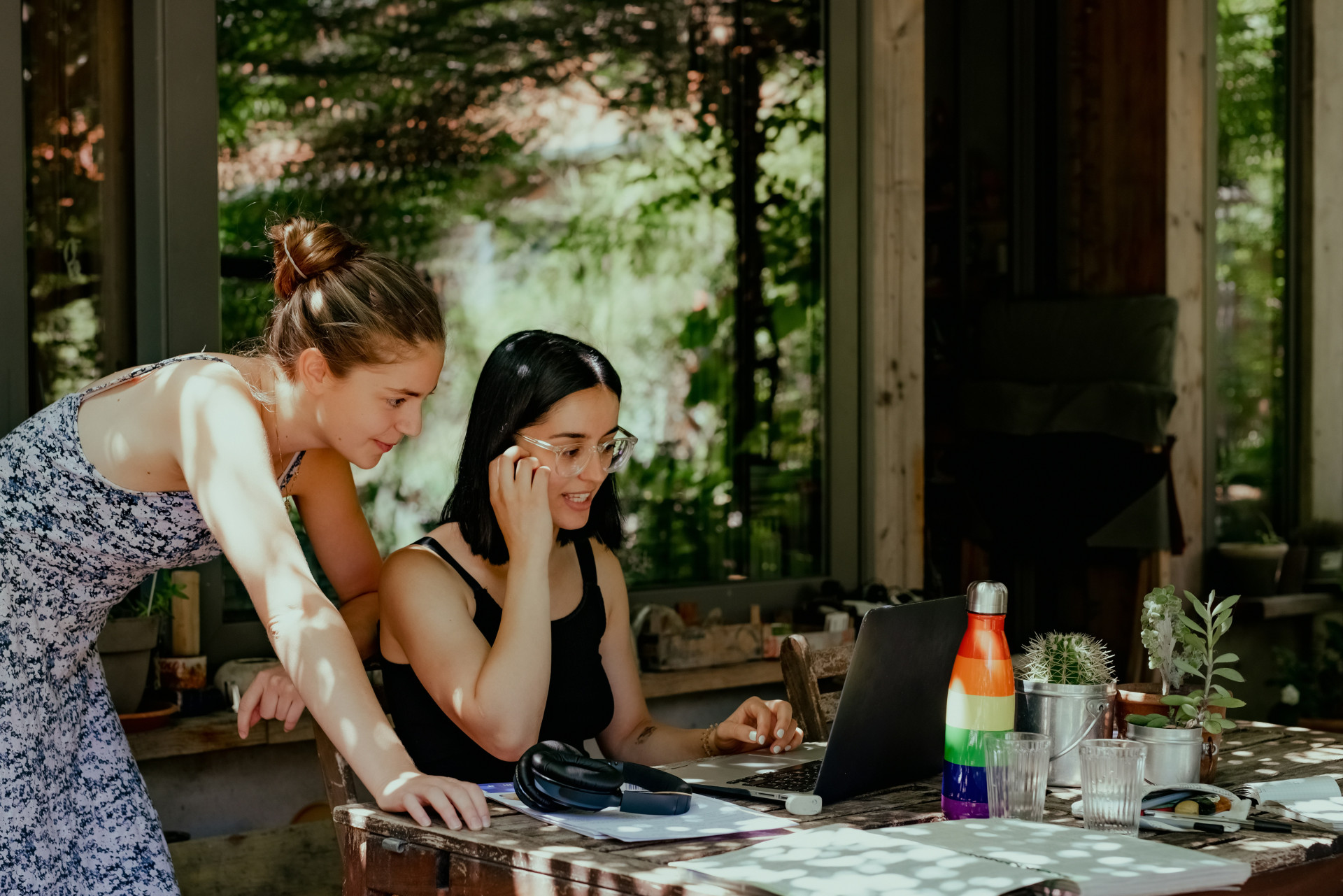
When children work together, something special happens. They don’t just learn from teachers or textbooks—they learn from one another. Collaboration among children creates space for curiosity, creativity, and shared understanding. In a culture that often emphasizes individual achievement, research shows that teamwork can be one of the most powerful ways to deepen learning and build essential social skills.
Learning as a Shared Journey
Children learn best when they have the chance to explore, ask questions, and explain their thinking out loud. When they collaborate, learning becomes a shared journey where they both give and receive knowledge. This process strengthens their ability to think critically, listen carefully, and express ideas clearly.
When a child explains a concept to a peer, they are pushed to understand it more deeply themselves. At the same time, they gain insight into how others think and solve problems. This makes learning more flexible, resilient, and often more enjoyable.
Building Social and Emotional Skills
The ability to collaborate is one of the most valuable skills in both school and life. When children work together, they practice taking responsibility, sharing tasks, and resolving disagreements. They learn to listen to different perspectives and find solutions that work for everyone.
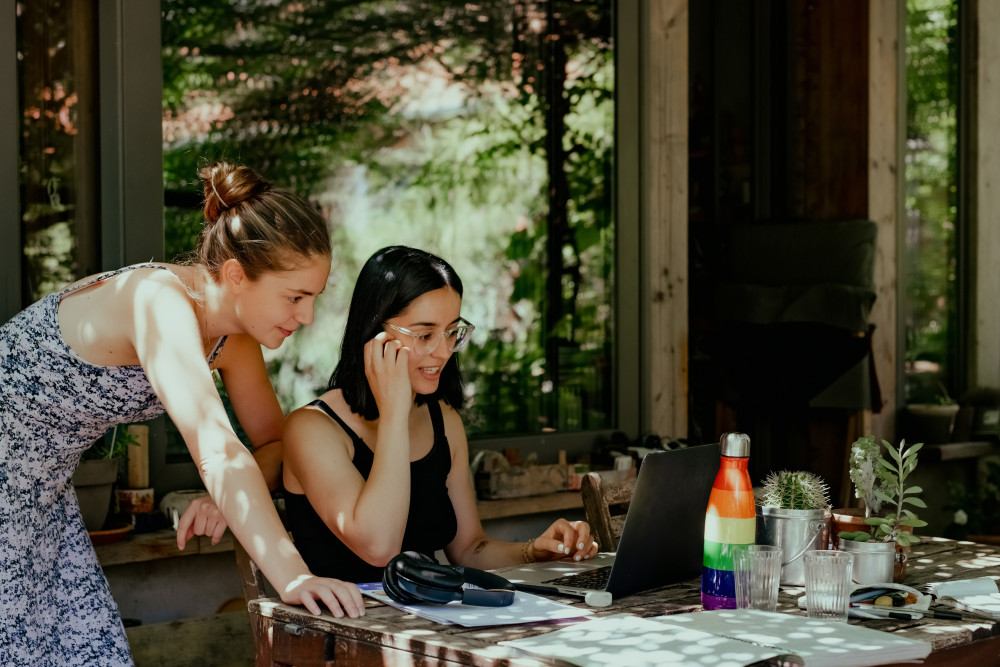
In American classrooms, collaboration can take many forms: group projects, peer tutoring, science experiments in teams, or reading circles. What matters most is that children feel their contributions are meaningful—and that together, they can achieve more than they could alone.
Research: Collaboration Boosts Motivation
Studies in education and child development show that students who collaborate are often more motivated and engaged in their learning. They feel part of a community where their efforts matter. This sense of belonging creates a positive cycle: when children experience success together, they become more eager to learn.
Collaboration can also reduce performance pressure. Instead of competing to be the best, children learn to support one another and celebrate shared progress. This builds confidence, empathy, and a healthy attitude toward learning.
Læs også:


How Adults Can Support Collaboration
Teachers, parents, and caregivers play a key role in creating environments where collaboration can thrive. It’s not just about putting children into groups—it’s about giving them the tools to work together effectively.
- Define clear roles – so every child knows how they can contribute.
- Encourage dialogue – teach children to ask questions and give constructive feedback.
- Value the process – praise effort and teamwork, not just the final result.
- Embrace diversity – children learn a great deal from working with peers who think differently from themselves.
When adults model and value collaboration, it becomes a natural part of how children learn and interact.
Collaboration Sparks Creativity
Working together opens the door to new ideas. When children share thoughts and perspectives, they often come up with solutions none of them would have discovered alone. This is true in science projects, group writing assignments, or creative arts activities.
Collaboration also requires a sense of safety. Children need to know that mistakes are not failures but opportunities to learn. In a supportive environment, errors become stepping stones to innovation—and that’s where creativity truly flourishes.
Growing Smarter Together
When children collaborate, they don’t just grow academically—they grow as people. They discover that knowledge expands when it’s shared and that differences can be strengths. Collaboration makes learning dynamic, relational, and meaningful.
Ultimately, helping children learn to work together is about more than school success. It’s about nurturing curiosity, openness, and cooperation—qualities that will serve them well throughout their lives.
Læs også: