Everyday Life as a Learning Space – How Cooking, Shopping, and Nature Trips Can Strengthen Children’s Learning

Everyday Life as a Learning Space – How Cooking, Shopping, and Nature Trips Can Strengthen Children’s Learning
Learning doesn’t only happen in classrooms. Everyday life is full of moments where children can explore, experiment, and grow. Cooking dinner, running errands, or spending time outdoors can all become opportunities for hands-on learning. For parents, caregivers, and educators, these daily routines can be transformed into meaningful experiences that build both knowledge and confidence.
Cooking as Math, Science, and Teamwork
When children help in the kitchen, they’re not just preparing food—they’re practicing math, science, and collaboration. Measuring ingredients, doubling a recipe, or timing the baking process are all ways to apply math in real life. Mixing, melting, and observing how ingredients change with heat introduces basic science concepts in a fun, tangible way.
Cooking also teaches planning and teamwork. Children learn to follow steps, share tasks, and take responsibility for a shared goal. For younger kids, it might mean stirring batter or washing vegetables. Older children can read recipes, experiment with flavors, or plan a full meal. Along the way, conversations about nutrition, culture, and sustainability can naturally arise—why do we eat what we eat, and where does our food come from?
The key is to give children a role that matches their age and ability. When they feel that their contribution matters, their motivation to learn grows.
Shopping as a Lesson in Responsibility and Money
A trip to the grocery store can be much more than a chore—it’s a real-world classroom for financial literacy and decision-making. Involving children in writing the shopping list, comparing prices, or choosing between brands helps them understand budgeting and value.
For younger children, shopping can be a game of finding colors, letters, or shapes on packaging. Older kids can learn about unit prices, discounts, and sustainable choices. What does “organic” mean? Why do some products cost more than others? These small discussions help children see how choices connect to values and resources.
By including children in shopping, they learn that food doesn’t just appear at home—it requires planning, prioritizing, and responsibility. This builds independence and a deeper appreciation for family routines.
Nature Trips as Learning in Motion
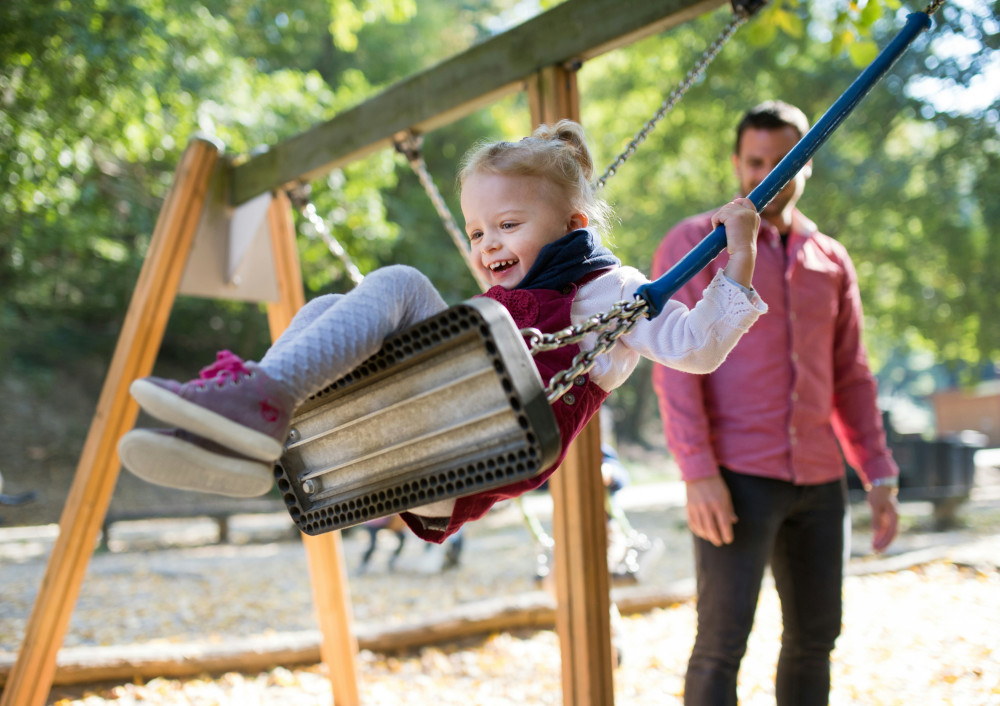
The outdoors is one of the richest learning environments available. Whether it’s a walk in a local park, a hike in the woods, or a visit to the beach, nature invites curiosity and movement. Children can explore biology, geography, and environmental awareness simply by observing and asking questions.
Collecting leaves, spotting birds, or following animal tracks encourages observation and problem-solving. Nature also supports physical development—running, climbing, and balancing strengthen coordination and confidence. And it sparks imagination: a fallen branch can become a magic wand, a pile of rocks a castle.
You don’t need a national park to make it meaningful. A short evening walk or a weekend visit to a nearby trail can open up conversations about seasons, weather, and the living world around us.
Everyday Learning Strengthens Relationships
When children learn through daily life, they do so in connection with the adults around them. Cooking together, shopping, or exploring outdoors creates time for conversation and shared experiences—something that can be hard to find in busy family schedules.
These moments also show children that their ideas and efforts matter. That sense of belonging and contribution builds self-esteem and a love of learning. Everyday learning isn’t just about skills—it’s about nurturing curiosity, confidence, and connection.
Læs også:

Getting Started
You don’t need to overhaul your routine to make everyday life more educational. Start small:
- Invite your child into the kitchen – even a few minutes of helping can spark interest.
- Talk about your shopping choices – why do you pick certain foods or brands?
- Take short nature walks – let your child lead the way and ask questions.
- Encourage experimentation – mistakes are part of learning.
When we see everyday life as a learning space, ordinary moments become opportunities. It’s not about turning home into a classroom—it’s about recognizing that learning is already happening, right in the middle of daily life.
Læs også: