Learning at Home: Foster Play and Growth with Simple Materials


Turn everyday moments into opportunities for your child’s growth and creativity
School
School
6 min
Discover how simple household items can spark learning, imagination, and joy at home. This article shows how play with ordinary materials helps children develop essential skills while strengthening family connections.
Sophia Williams
Sophia
Williams

Learning at Home: Foster Play and Growth with Simple Materials

Turn everyday moments into opportunities for your child’s growth and creativity
School
School
6 min
Discover how simple household items can spark learning, imagination, and joy at home. This article shows how play with ordinary materials helps children develop essential skills while strengthening family connections.
Sophia Williams
Sophia
Williams

When children play, they learn. Through play, they explore the world, develop language, motor skills, and imagination—and it doesn’t have to cost much or require fancy toys. In fact, some of the most meaningful learning experiences can happen right in your living room with just a few simple materials. Here’s how you can encourage play and learning at home using things you already have.

Play as Learning – Why It Works

Children learn best when they’re curious and engaged. Play gives them the freedom to experiment, ask questions, and find solutions on their own. When you join in, you can support their development by asking open-ended questions, expanding their vocabulary, and helping them make connections.

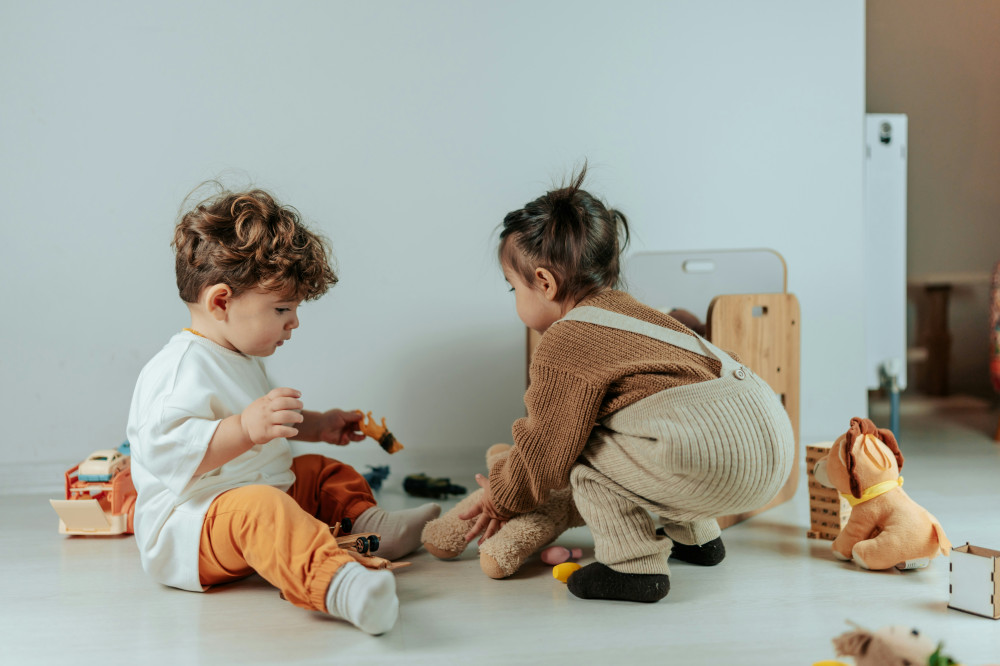
It’s not about teaching in a formal way—it’s about creating an environment where your child wants to explore. A cardboard box can become a spaceship, a grocery store, or a puppet theater. In the process, your child learns to plan, cooperate, and use imagination.

Use What You Have – Everyday Items as Learning Tools

You don’t need to buy new toys to spark learning. Many everyday household items can be turned into creative learning tools:

  • The kitchen as a lab: Let your child measure, pour, and mix. It builds fine motor skills and introduces basic math and science concepts.
  • Paper and cardboard: Cut, fold, and build. Create shapes, patterns, or small structures—great for hand-eye coordination and spatial awareness.
  • Clothespins and rubber bands: Use them to build bridges, make patterns, or sort by color and shape.
  • Recycled materials: Empty cereal boxes, toilet paper rolls, and bottle caps can become cars, houses, or art projects. This encourages creativity and teaches sustainability.

When children create something from almost nothing, they gain confidence and learn to think resourcefully.

Create Small Learning Zones at Home

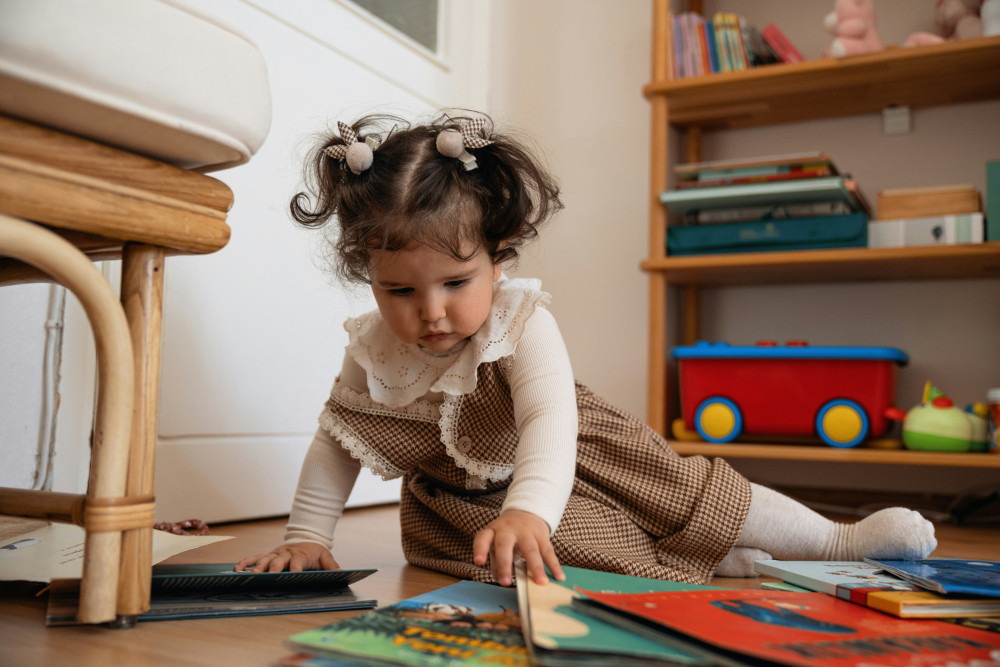
You don’t need a dedicated playroom to promote learning. Small “learning zones” around the house can make a big difference. Try a cozy reading corner with books and crayons, a bin of building blocks, or a small table for experiments.

Think about flexible setups that can be easily packed away. This helps your child move between quiet focus and active play—and shows that learning can happen anywhere.

Play with Language and Numbers in Everyday Life

Language and math skills grow best when they’re part of daily routines. You can:

  • Count steps as you walk up the stairs.
  • Talk about colors and shapes while setting the table.
  • Read aloud and ask your child to guess what happens next.
  • Sing songs and rhymes that build rhythm and memory.

These small moments create a safe space for learning and show your child that knowledge isn’t just in books—it’s in everything you do together.

Make Room for Focus and Mistakes

In a busy day, it’s easy to step in when something doesn’t go right. But mistakes are an essential part of learning. When children are allowed to try again, they build patience and problem-solving skills.

Set aside time for open-ended play—where there’s no right or wrong answer, just curiosity. Whether you’re building towers, painting, or making up stories, focus on the process, not the outcome.

Learning as Part of Family Life

When learning becomes a natural part of everyday life, it strengthens both your child’s development and your family bond. It’s not about structured lessons—it’s about noticing opportunities in what you already do.

A blanket on the floor can become an ocean, a bowl of rice can turn into a sensory world, and a dinner conversation can become a lesson in empathy and wonder. Learning at home is, at its heart, about being present—together.

Indretning
Back-to-School Balance: How to Help Your Child Find the Right Rhythm Between Learning and Rest
Help your child transition smoothly from summer freedom to school structure with balance and confidence
School
School
Parenting
Back to School
Child Development
Education
Family Well-being
6 min
The return to school can be both exciting and overwhelming for children. Learn how to support your child in finding a healthy rhythm between study, play, and rest—so they can thrive academically and emotionally throughout the year.
Sadie Martinez
Sadie
Martinez
Together We Grow Smarter: How Collaboration Among Children Enhances Their Learning
Discover how teamwork among children strengthens learning, creativity, and social growth
School
School
Child Development
Education
Collaboration
Learning
Social Skills
6 min
When children learn together, they build more than knowledge—they develop empathy, communication, and problem-solving skills that last a lifetime. This article explores how collaboration enhances children’s learning experiences and how adults can nurture cooperative environments that help every child thrive.
Camila Hall
Camila
Hall
Learning at Home: Foster Play and Growth with Simple Materials
Turn everyday moments into opportunities for your child’s growth and creativity
School
School
Early Learning
Parenting
Child Development
Play Ideas
Home Activities
6 min
Discover how simple household items can spark learning, imagination, and joy at home. This article shows how play with ordinary materials helps children develop essential skills while strengthening family connections.
Sophia Williams
Sophia
Williams
Everyday Life as a Learning Space – How Cooking, Shopping, and Nature Trips Can Strengthen Children’s Learning
Turn everyday routines into powerful learning moments for children
School
School
Child Development
Learning at Home
Parenting
Education
Everyday Activities
7 min
Discover how simple daily activities like cooking, shopping, and exploring nature can become rich learning experiences. This article shows parents, caregivers, and educators how to use everyday life as a space for curiosity, creativity, and connection.
Abigail Green
Abigail
Green
Good Study Habits Start at Home: How to Help Your Child Build Structure and Focus
Help your child develop lasting study habits that build confidence and independence
School
School
Parenting
Education
Study Habits
Child Development
Learning Skills
3 min
Discover how you can support your child in creating structure, focus, and motivation for schoolwork. With simple routines, positive guidance, and a balanced approach, you can lay the foundation for lifelong learning success.
Alexis Cruz
Alexis
Cruz
Find children’s books in all languages and colours
Access children’s magical experiences of reading that awaken imagination and adventure
Children
Children
Children’s books
Reading
Hour for children
Reading habits
Inspiration
5 min
Children’s books open the door to imagination, learning and adventure. In this article you will find a selection of different types, age-appropriate and thematic suggestions, so you can find the perfect book-gift for the child in your life.
Sadie Martinez
Sadie
Martinez