Switching Between School and Free Time – How to Help Boys Stay Focused and Thrive

Switching Between School and Free Time – How to Help Boys Stay Focused and Thrive
For many boys, moving between school and free time can be a real challenge. School demands focus, structure, and cooperation, while free time is about freedom, play, and self-direction. When the shift between the two becomes too abrupt, it can affect both motivation and well-being. As a parent, teacher, or caregiver, you can do a lot to help boys find balance—and in doing so, strengthen their ability to thrive in both worlds.
Transitions Take Energy – Especially for Boys
Research and everyday experience show that many boys need clear boundaries and time to adjust when switching from one activity to another. A school day can be mentally demanding, and when the final bell rings, many boys need a moment to decompress before they can engage in something new.
That doesn’t mean boys can’t focus—it means they often need a transition period to “land.” This might be a short break, some physical activity, or simply a few quiet minutes before starting homework, sports, or family time.
Help Him Find His Daily Rhythm
A predictable routine gives boys a sense of security and helps them manage their energy. It’s not about scheduling every minute, but about creating a structure where he knows what to expect.
- Set a clear daily rhythm – for example, consistent times for homework, free time, and bedtime.
- Build in breaks – short pauses between school and other activities help the brain switch gears.
- Talk about expectations – agree together on when it’s time to focus and when it’s time to relax.
- Offer choices – let him have a say in planning his day. This increases motivation and ownership.
When boys experience that there’s room for both responsibility and freedom, it becomes easier for them to stay focused when it matters.
Læs også:



Physical Activity as a Reset Button
Many boys need to move their bodies before they can calm their minds. After a long day at school, physical activity can be the best way to recharge and regain focus.
It doesn’t have to be organized sports—a bike ride, shooting hoops in the driveway, or walking the dog can make a big difference. The key is that the activity feels like a release, not another obligation.
When the body moves, stress levels drop, and the brain becomes ready for new challenges. Physical activity can also open the door to conversation—many boys talk more easily when they’re doing something side by side rather than sitting face-to-face.
Create a Calm Space for Homework and Learning
Homework can be a source of frustration, especially if a boy feels tired or pressured. Adults can help by setting up an environment that supports focus and success.
- Choose a quiet spot with minimal distractions.
- Break assignments into smaller, manageable parts.
- Praise effort, not just results.
- Allow short breaks during study time.
Some boys concentrate better when they can move a little—standing up, using their hands, or listening to soft background music. The goal is to find what works best for him.
Meaningful Free Time
Free time isn’t just a break—it’s an important space for growth. It’s where boys can explore interests, build friendships, and experience success on their own terms. That might mean sports, gaming, music, building projects, or spending time outdoors.
Adults can support by showing genuine interest in what the boy enjoys and helping him find communities where he feels he belongs. This builds confidence and well-being—and gives him energy for the school day ahead.
Talk About the Day – and Listen
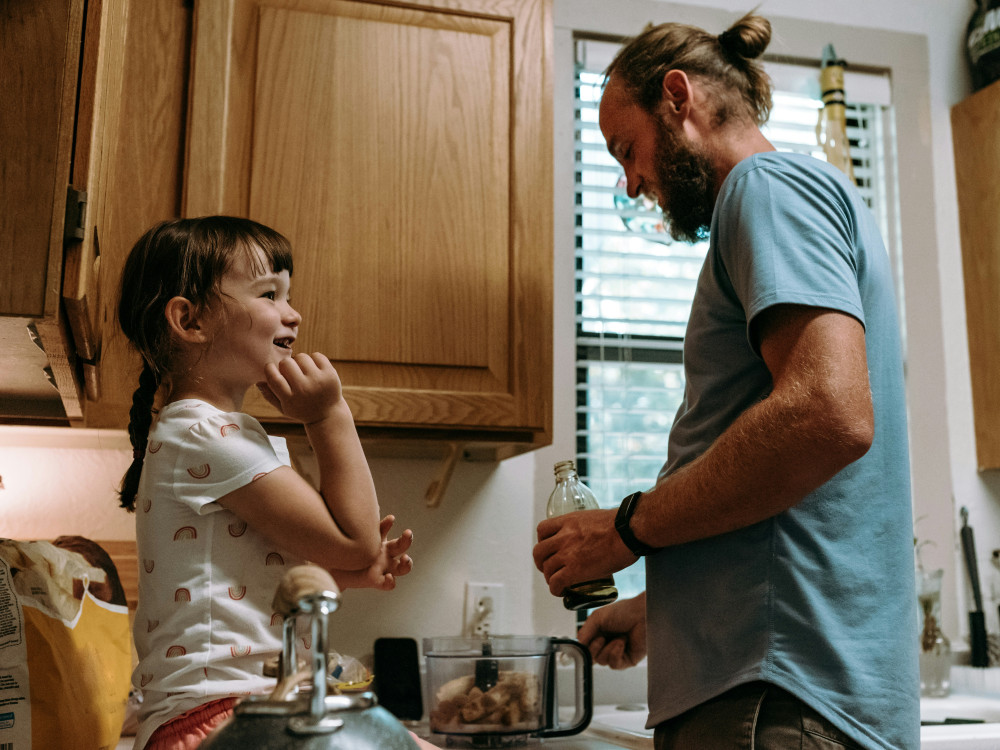
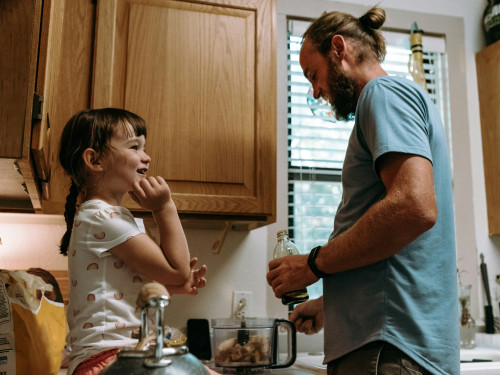
Boys don’t always find it easy to talk about how they feel. That’s why it’s important to create natural moments for conversation—while driving, cooking, or walking to practice.
Ask open-ended questions like, “How was your day?” or “What was something fun that happened today?” Small, everyday conversations can reveal a lot—and help you notice if he’s struggling or losing focus.
A Balance That Takes Practice
Switching between school and free time is a skill that takes practice—just like learning to read or ride a bike. Some boys find their rhythm quickly, while others need more support. The key is to meet them with understanding and patience.
When adults help boys build structure, find calm, and experience meaning in their daily lives, they strengthen both focus and well-being. That not only makes for better school days—it lays the foundation for a balanced, confident life beyond the classroom.
Læs også: