Nature’s Classroom: Boys Explore Animals and Plants Through Play and Curiosity

Nature’s Classroom: Boys Explore Animals and Plants Through Play and Curiosity
When boys are given the freedom to explore nature on their own terms, something special happens. The forest, the park, and even the backyard become living classrooms where animals, plants, and natural wonders spark curiosity and inspire learning. At a time when many children spend more hours in front of screens than under open skies, research and experience show that nature offers something unique—especially for boys.
Play as a Pathway to Learning
For many boys, play is the most natural way to learn. When they build forts, search for bugs, or figure out how water flows through a stream, they’re not just having fun—they’re developing teamwork, problem-solving, and creative thinking skills. Nature doesn’t come with fixed rules; it invites experimentation and imagination.
Teachers and outdoor educators across the U.S. have found that boys who struggle to sit still in a traditional classroom often thrive when lessons move outside. In nature, they can use their bodies, senses, and curiosity as tools for understanding. A math problem becomes tangible when they count pinecones or measure the height of a tree.
Animals and Plants as Living Teachers
Nature is full of small mysteries waiting to be discovered. When boys follow an ant trail, dig for earthworms, or watch birds through binoculars, they develop patience and a sense of connection to the living world. It’s not just about learning facts—it’s about experiencing how everything fits together.
Many environmental educators describe animals and plants as “living teachers.” They awaken empathy and responsibility—qualities that strengthen both social and emotional growth. When a boy cares for a small creature or helps plant a tree, he learns that his actions matter.
Læs også:


Building Community in the Great Outdoors
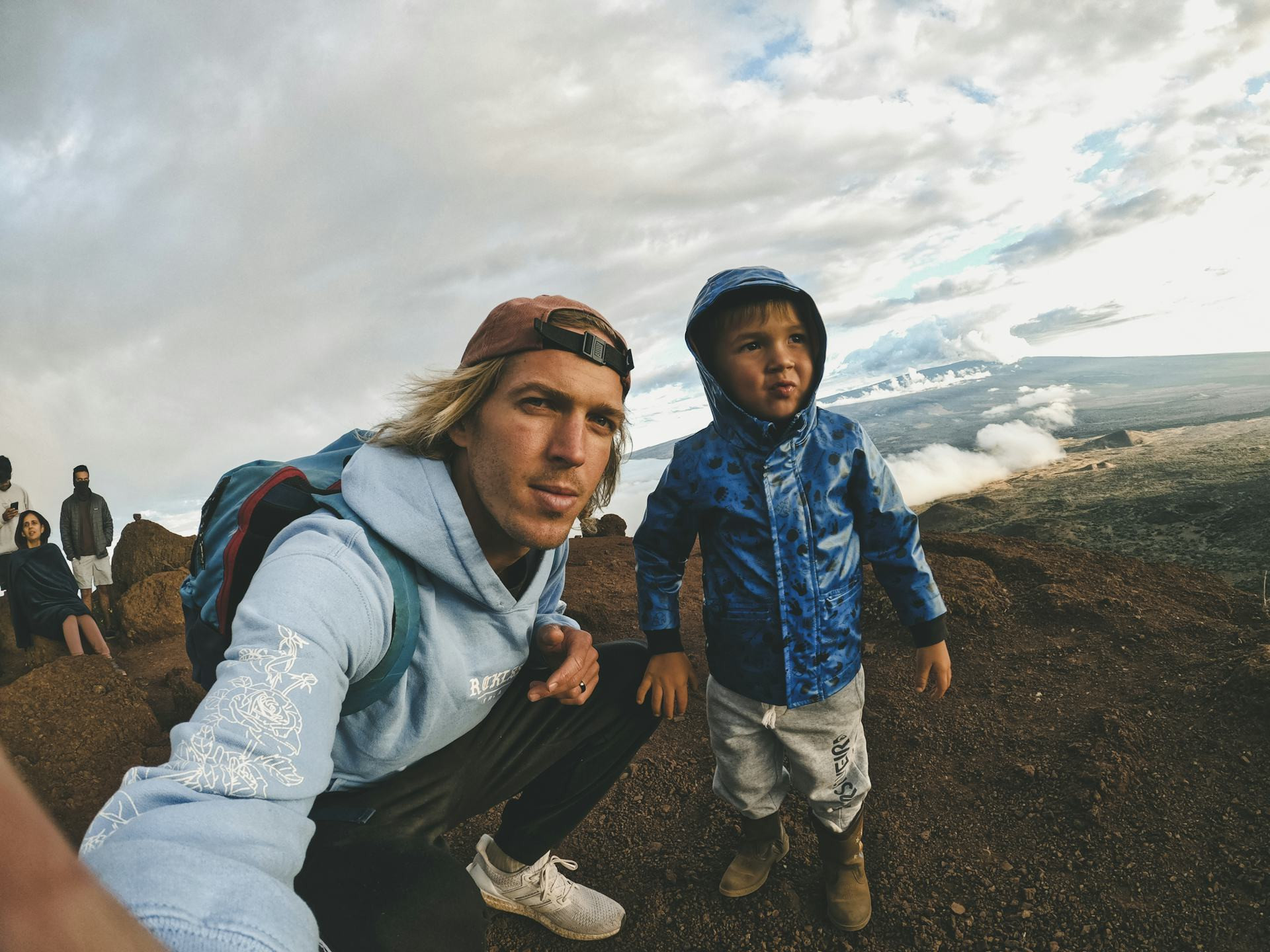
Outdoor experiences aren’t only about nature itself—they’re also about the community that forms around it. When boys work together to build a bridge over a creek or find their way through a wooded trail, they naturally practice communication, cooperation, and trust. These shared adventures strengthen friendships and create a sense of belonging.
In nature, hierarchies often fade. The boy who struggles with reading might be the best at spotting animal tracks or starting a campfire. Different strengths come to light, and confidence grows.
Nature as an Antidote to Screen Time
Many parents find it challenging to pull their kids away from screens. But nature offers something no app can replace: freedom, movement, and unpredictability. There are no levels to beat or points to earn—only real experiences unfolding in the moment.
Even short outdoor adventures can make a difference. A walk in the park after school, a weekend camping trip, or an hour in the backyard with a magnifying glass can spark a lifelong interest in the natural world. It’s not about planning big projects—it’s about making space for curiosity.
How Parents Can Nurture a Love of Nature
You don’t need to be a wildlife expert to help your child connect with nature. Here are a few simple ways to start:
- Explore together. Take short trips and let your child decide what to investigate.
- Use the senses. Listen to birds, feel the texture of tree bark, and smell the earth after rain.
- Start small projects. Build a bug hotel, plant flowers, or set up a bird feeder.
- Make time for stillness. Sometimes the best learning happens when you simply sit and observe.
When you share these experiences, your child learns that nature is something to be part of—not just something to look at.
Learning That Lasts
Nature gives boys the chance to learn with their whole bodies and all their senses. It nurtures curiosity, independence, and cooperation. And perhaps most importantly, it gives them memories that last—not as lessons, but as adventures.
When boys are free to explore animals and plants through play, nature becomes more than a place they visit. It becomes a place they belong. That’s nature’s classroom—open, alive, and full of possibilities.
Læs også: