Superheroes and Games: How Pop Culture Shapes Boys’ Self-Image


Superheroes and Games: How Pop Culture Shapes Boys’ Self-Image
From Spider-Man to Fortnite, boys in the United States are growing up surrounded by heroes, avatars, and digital worlds that shape not only their playtime but also their sense of identity. Pop culture has become both a mirror and a mold—reflecting boys’ dreams while also influencing how they define strength, courage, and success.
Muscles, Missions, and Masculinity
Superheroes have long been central to American childhood. From the pages of comic books to blockbuster movies, figures like Captain America, Batman, and Iron Man embody bravery, power, and determination. For many boys, these characters serve as role models—symbols of doing the right thing, protecting others, and believing in oneself.
But the image of the hero can also be narrow. Most superheroes are physically strong, emotionally restrained, and rarely vulnerable. This can send a message that “real men” don’t show fear, sadness, or doubt. Studies in the U.S. have shown that boys often begin to associate masculinity with control and achievement at an early age—values that are reinforced by the heroes they admire on screen.
Gaming as a Modern Arena for Identity
Video games are now one of the most influential spaces where boys explore who they are. Games like Fortnite, Call of Duty, and Minecraft offer opportunities for creativity, competition, and connection. They allow boys to test their skills, collaborate with friends, and experience success on their own terms.
Yet gaming culture can also create pressure. Many popular games reward dominance, speed, and victory, which can lead to comparison and performance anxiety. Male characters are often designed with the same exaggerated ideals as superheroes—muscular, fearless, and always in control. This can make it harder for boys to see themselves reflected in more diverse or emotionally complex male figures.
When Feelings Become Hidden Superpowers
One of the biggest challenges in pop culture’s portrayal of heroes is the lack of emotional depth. In many films and games, showing vulnerability is treated as weakness—something to overcome rather than embrace. This can influence how boys learn to handle their own emotions.
Psychologists in the U.S. note that boys who grow up with rigid ideas of masculinity often struggle to express feelings like sadness, insecurity, or loneliness. It’s not that superheroes or games are harmful in themselves, but that they often need to be balanced with stories where strength also means empathy, honesty, and emotional courage.
New Heroes, New Stories
Fortunately, the landscape is changing. Recent movies and games are beginning to show male characters who are more emotionally open and complex. Heroes like Spider-Man wrestle not only with villains but also with responsibility and fear. Games such as The Last of Us and Life is Strange highlight relationships, moral choices, and vulnerability as central parts of the story.
These new narratives give boys a chance to see that being strong doesn’t mean being invincible. It means being human—capable of care, doubt, and growth.
Læs også:



What Parents and Educators Can Do
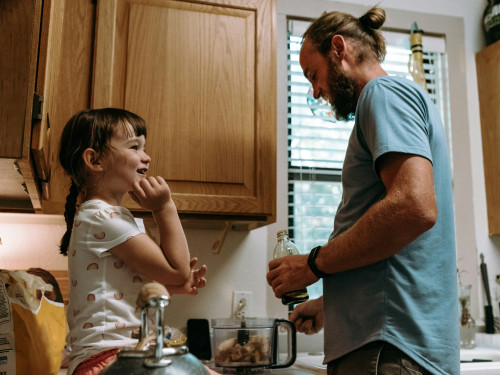
Pop culture can be a powerful starting point for conversations about identity and emotions. When boys talk about their favorite heroes or games, adults can ask what they admire about those characters—and whether they notice traits that might be unrealistic or challenging.
The goal isn’t to ban certain media, but to help boys think critically about what they see. By discussing the difference between fantasy and reality, parents and teachers can help them build a healthier, more flexible sense of self.
A New Generation of Heroes
Pop culture will always influence boys, but it can also empower them. When boys learn that courage isn’t just about winning battles but about being honest, kind, and resilient, they begin to see that heroism comes in many forms. In that realization lies the potential for a new kind of hero—one who is strong enough to be himself.
Læs også: