Working Together for Your Child: How to Communicate Clearly with Teachers and Educators

Working Together for Your Child: How to Communicate Clearly with Teachers and Educators
A strong partnership between parents, teachers, and school staff is one of the most important factors in a child’s success and well-being. When communication flows smoothly, it becomes easier to support your child both at home and in school. But finding the right balance between being involved and respecting the educator’s professional role can sometimes be challenging. Here are some practical ways to communicate clearly, respectfully, and constructively with the people who help your child learn and grow.
See the Relationship as a Team Effort
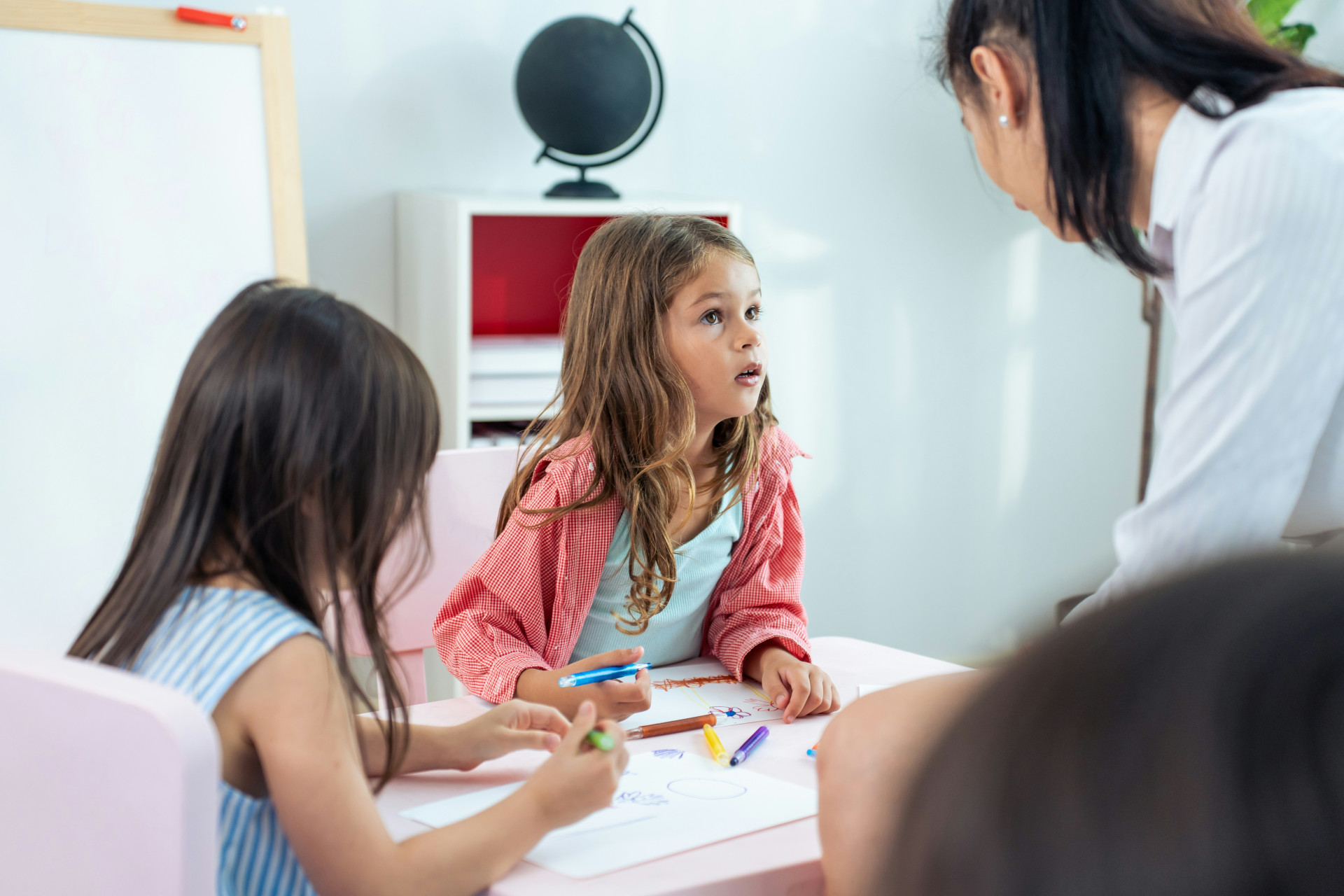
Think of your relationship with teachers and educators as a team working toward a shared goal: your child’s growth and happiness. Teachers see your child in a different environment than you do, and their perspective can offer valuable insight. At the same time, you know your child’s personality, needs, and emotions better than anyone else.
When both sides recognize each other’s expertise, the conversation becomes more balanced and productive. It’s not about who is right—it’s about understanding your child together.
Prepare for Conversations
Whether it’s a scheduled parent-teacher conference, a quick chat at pickup, or a meeting about specific concerns, preparation makes a big difference. Before you meet, think about:
- What you’d like to share about your child—such as changes at home that might affect mood or behavior.
- Questions you want to ask—about academics, social life, or emotional well-being.
- What outcomes you hope to achieve together.
Coming prepared shows that you value the teacher’s time and are committed to working together. It also helps keep the discussion focused on what matters most—your child.
Læs også:

Listen Actively and Ask Open Questions
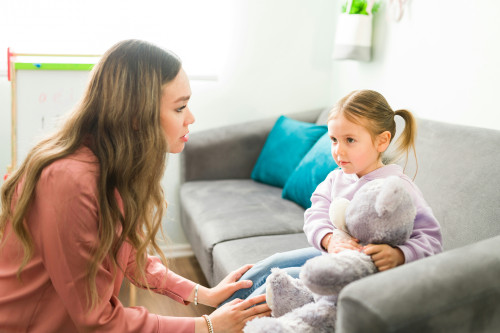
Good communication isn’t just about being heard—it’s also about listening. Active listening shows that you respect the teacher’s experience and perspective. Try asking open-ended questions like: “How do you think my child is adjusting to the new class?” or “What strategies seem to help them stay engaged?”
These kinds of questions invite thoughtful responses and help you gain a fuller picture of your child’s experience. If you hear something that surprises or worries you, take a moment before reacting. Use it as an opportunity to learn more rather than to defend.
Be Clear and Specific
When sharing your own observations or concerns, be as specific as possible. Instead of saying, “She seems unhappy,” you might say, “She’s been saying she doesn’t want to go to school in the mornings.” This gives the teacher something concrete to respond to and helps identify possible causes or solutions.
The same goes for positive feedback. Let teachers know what you appreciate: “I really value the time you spent helping him with reading—it’s made a big difference.” Specific praise strengthens relationships and shows that you notice their efforts.
Handle Disagreements with Respect
Even in the best partnerships, disagreements can happen. You might see your child’s needs differently from the teacher, or feel that a situation wasn’t handled the way you hoped. When that happens, keep the focus on your child and approach the conversation with respect.
Try framing your concerns as questions rather than accusations: “I’m a little worried about how she’s doing at recess—can you tell me more about what you’ve observed?” This keeps the dialogue open and constructive. If the issue remains unresolved, it can help to request a meeting with a counselor or administrator to find common ground.
Share the Good News, Too
Communication shouldn’t only happen when there’s a problem. Sharing positive updates helps build trust and motivation on both sides. Let teachers know when your child talks excitedly about a project or when you’ve noticed progress at home. Celebrating successes together reminds everyone that the partnership is about growth and joy—not just challenges.
Remember That Trust Takes Time
Strong communication is built on trust, and trust develops through consistent, positive interactions. Follow up on agreements, keep teachers informed about changes, and show appreciation for their efforts. Over time, these small actions create a foundation of mutual respect and openness.
United for Your Child’s Success
When home and school work together, children feel supported, understood, and confident. Clear, respectful communication isn’t just a courtesy—it’s a key part of helping your child thrive. By approaching teachers and educators with curiosity, openness, and a shared focus on your child’s well-being, you can build a partnership that truly makes a difference.
Læs også: