From Plan to Practice: How to Help Your Child Use Their Tools


From Plan to Practice: How to Help Your Child Use Their Tools
When a child learns new tools—whether it’s social strategies, emotional regulation techniques, organizational supports, or communication methods—it’s often the result of careful planning, guidance, and practice. But moving from plan to practice takes more than knowledge. It’s about helping your child use those tools in real-life situations, where emotions run high and things don’t always go as expected. Here’s how parents, teachers, and caregivers can support children in turning what they’ve learned into everyday habits.
From Understanding to Action
The first step is helping your child understand why a tool matters. A child who learns to take deep breaths when angry, for example, needs to know that it’s not about “not getting mad,” but about calming their body so they can think clearly.
Talk about what the tool does and when it can be used. Use examples from your child’s daily life: “When you get frustrated with homework, you can try taking three deep breaths before asking for help.” The more your child understands the purpose, the more likely they are to remember to use the tool when it counts.
Make the Tools Visible
Children benefit from visual and tangible reminders. These can be cue cards, posters, or small objects that symbolize the tool. Visual cues help children recall what they can do in challenging moments.
- Create a “tool card” with pictures or icons representing the strategies your child knows.
- Use color codes—for example, green for “calm,” yellow for “getting upset,” and red for “very upset.”
- Place reminders where your child often needs them—on the desk, in the backpack, or near the door.
When tools become part of the environment, they’re easier to use naturally.
Læs også:


Practice in Safe Settings
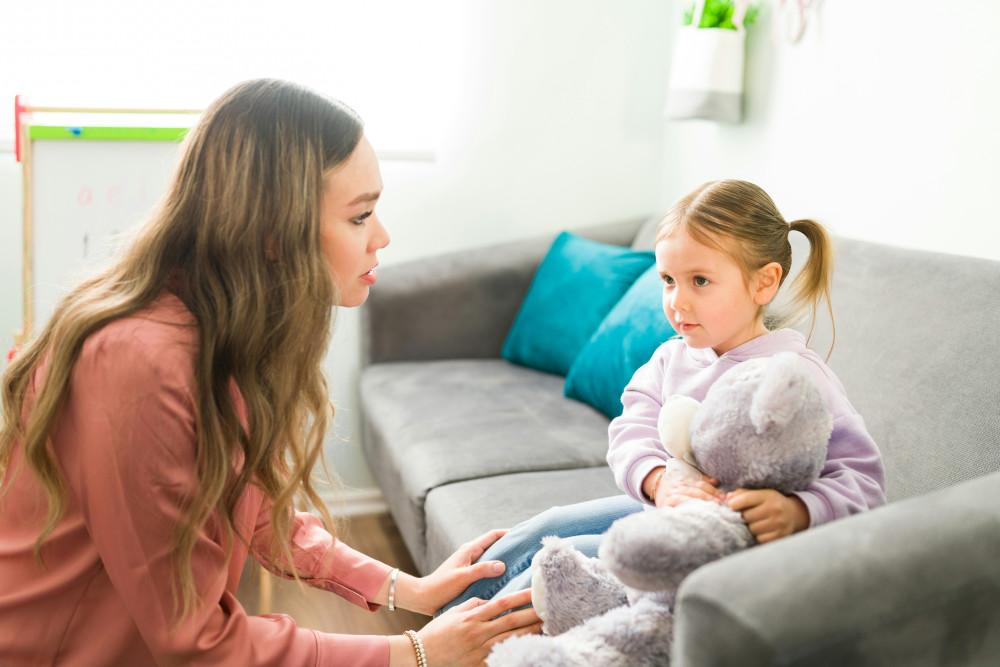
It’s unrealistic to expect a child to use a new tool for the first time in the middle of a stressful situation. That’s why practice in calm moments is key. Try short role-plays where you act out situations together.
For instance, pretend your child is upset about losing a game, and practice taking deep breaths or counting to ten. The more often they rehearse in a safe space, the easier it will be to remember the tool when emotions rise.
Praise the effort, not just the outcome. Recognizing your child’s attempts builds motivation and confidence.
Build Consistency Between Home and School
For tools to truly work, they need to be used across settings. That means collaboration between the adults in your child’s life. Share information about which strategies your child is learning and how they can be supported in different environments.
If your child uses a “break card” at school, you can use a similar idea at home—maybe with a different symbol but the same purpose. Familiarity helps your child feel secure and confident using their tools wherever they are.
A quick check-in or shared plan between parents, teachers, and support staff can make a big difference in maintaining consistency.
Allow Time—and Adjust as Needed
Learning to use tools takes time. Some days will go smoothly; others won’t. That’s part of the process. Help your child see mistakes as learning opportunities: “It was tough today, but you tried—and that’s what matters.”
Keep an eye on whether the tools still fit your child’s needs. As children grow, some strategies may no longer be useful, while new ones may be needed. Regularly talk about what’s working and what might need to change.
Make It Part of Everyday Life
When tools become part of daily routines, they stop feeling like “practice” and start becoming habits. You can weave them into ordinary moments:
- Talk about challenges at dinner and ask which tools your child used.
- Use the tools together—take a break, breathe deeply, or problem-solve as a team.
- Celebrate small successes. A little recognition can go a long way in keeping motivation high.
The goal isn’t perfection—it’s helping your child find their own way to use the tools, with your support, patience, and encouragement.
From Plan to Practice—A Shared Journey
Helping a child use their tools isn’t a quick fix; it’s a shared journey. It takes teamwork, repetition, and understanding that growth happens step by step. When children see that the adults around them believe in the tools—and use them as role models—it becomes easier for them to do the same.
In the end, moving from plan to practice is about connecting what a child learns with how they live. And that connection grows strongest when we walk the path alongside them.
Læs også: