Temperature in the Bassinet – How to Make Sure Your Baby Stays Comfortable


Temperature in the Bassinet – How to Make Sure Your Baby Stays Comfortable
When you place your baby in the bassinet, you naturally want them to be cozy—not too hot, not too cold. But figuring out the right temperature can be trickier than it seems. Babies can’t regulate their body temperature as efficiently as adults, and they can’t tell you when they’re uncomfortable. Here’s a guide to help you keep your baby safe, comfortable, and well-rested in their bassinet—day and night, all year round.
The Ideal Temperature
As a general rule, the temperature in your baby’s room should be around 68–72°F (20–22°C). This range is considered comfortable for most infants during sleep. However, the right temperature also depends on how your baby is dressed and the type of bedding or sleep sack you use.
- Indoors: Keep the nursery cool and well-ventilated. Overheating is more common than chilling, especially if your baby is swaddled or covered with a blanket.
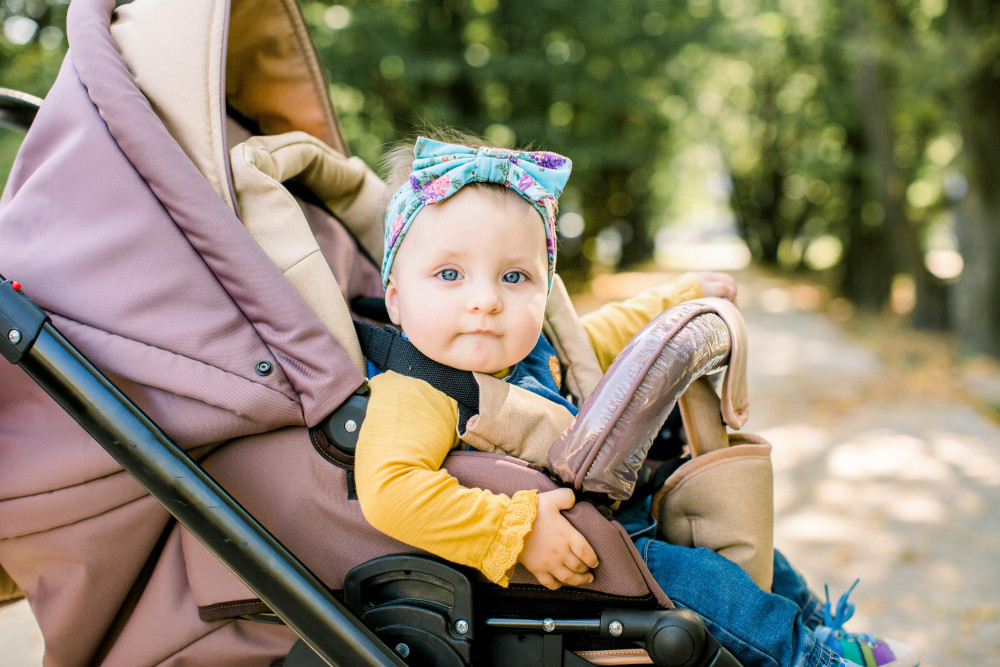
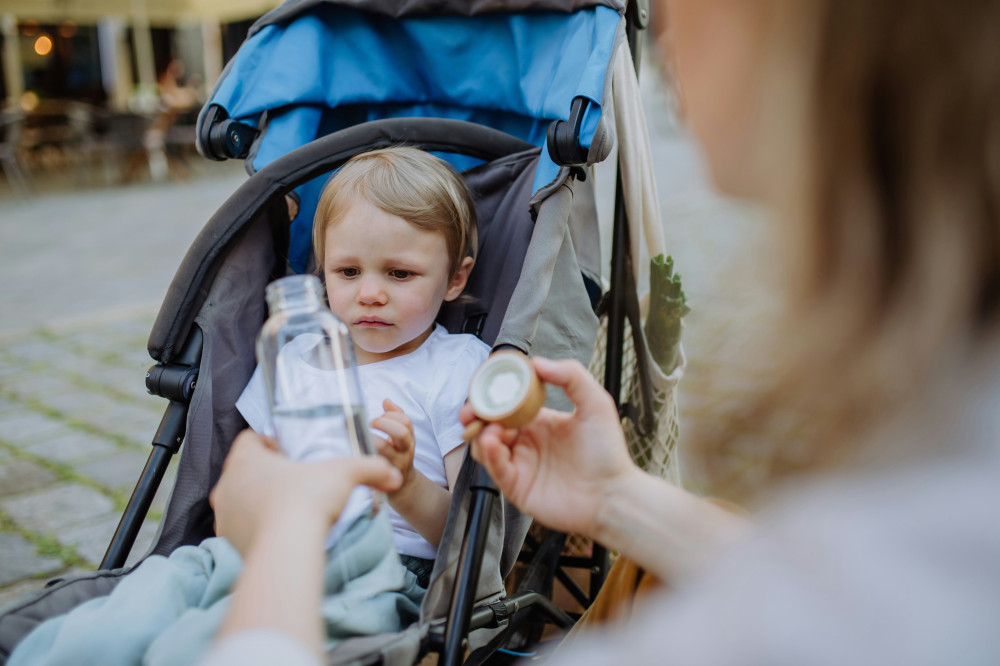
- Outdoors: If your baby naps in a stroller bassinet, consider the weather. In winter, use a warm footmuff or fleece cover; in summer, opt for light cotton layers and shade.
The best way to check comfort is to feel your baby’s neck or chest—it should feel warm, not sweaty or clammy.
How to Tell if Your Baby Is Too Hot or Too Cold
Since babies can’t tell you how they feel, you’ll need to look for physical signs.
- Too hot: Sweating, flushed cheeks, damp hair, or restlessness.
- Too cold: Cool skin, especially on hands and feet, or a baby who seems unusually quiet or fussy.
Always check the back of the neck rather than hands or feet, as extremities often feel cooler even when your baby is warm enough. If you’re unsure, it’s safer to remove a layer rather than add one.
Dress Your Baby in Layers
A good rule of thumb is to dress your baby in one more layer than you would wear yourself in the same environment. Layering makes it easy to adjust as temperatures change.
- Base layer: A soft cotton or moisture-wicking onesie.
- Middle layer: A lightweight sleeper or footed pajamas.
- Outer layer: A wearable blanket or sleep sack appropriate for the season.
Avoid heavy blankets or synthetic fabrics that trap heat. Natural fibers like cotton, bamboo, or merino wool help regulate temperature and keep your baby comfortable.
Seasonal Tips
Summer
During hot weather, bassinets can heat up quickly—especially in direct sunlight. Keep your baby’s sleep area shaded and well-ventilated. Avoid covering the bassinet with a blanket or cloth, as this can block airflow and raise the temperature inside. Instead, use a breathable sunshade or mesh cover that allows air to circulate.
Winter
Cold air and drafts call for extra warmth. Use a fleece or wool sleep sack, and make sure your baby wears a hat and warm socks when outside. When you come indoors, remove extra layers to prevent overheating. Babies can warm up quickly in heated rooms or cars.
Using Technology Wisely
Modern baby monitors and smart thermometers can help you keep track of the nursery temperature. These tools are convenient, but they shouldn’t replace your own judgment. Use them as a guide, but always check your baby’s comfort by touch and observation.
Safety and Sleep
Maintaining a comfortable temperature isn’t just about comfort—it’s also about safety. Overheating is a known risk factor for Sudden Infant Death Syndrome (SIDS). To reduce risk:
- Keep the room cool and well-ventilated.
- Avoid heavy blankets, pillows, or anything that could cover your baby’s face.
- Always place your baby on their back to sleep.
- Use a firm mattress with a fitted sheet and no loose bedding.
Læs også:


A Calm and Cozy Start
Finding the right temperature for your baby’s bassinet takes a bit of practice, but it soon becomes second nature. Pay attention to your baby’s cues, adjust layers as needed, and keep an eye on the environment. When your baby is comfortably warm, dry, and relaxed, they’ll sleep better—and you’ll rest easier knowing they’re safe and content.
Læs også: