Baby Gear: What Should You Own, and What Can You Borrow or Share?

Baby Gear: What Should You Own, and What Can You Borrow or Share?
When you’re expecting a baby, it’s easy to feel overwhelmed by the sheer amount of gear that suddenly seems essential. Stroller, car seat, crib, changing table, baby carrier, swing—the list goes on. But the truth is, you don’t need to own everything yourself. Many items are used for only a few months, and plenty can be borrowed, shared, or bought secondhand without compromising safety or comfort. Here’s a guide to what’s worth investing in and what you can easily borrow or share.
Gear Worth Owning
Some items are used daily and are best purchased new or carefully vetted if used, especially for safety and hygiene reasons.
- Car seat – Safety in the car is non-negotiable. Make sure your seat meets current U.S. safety standards (look for FMVSS 213 compliance) and fits both your child and your vehicle. Buy new or only use one if you know its full history and it hasn’t been in an accident.
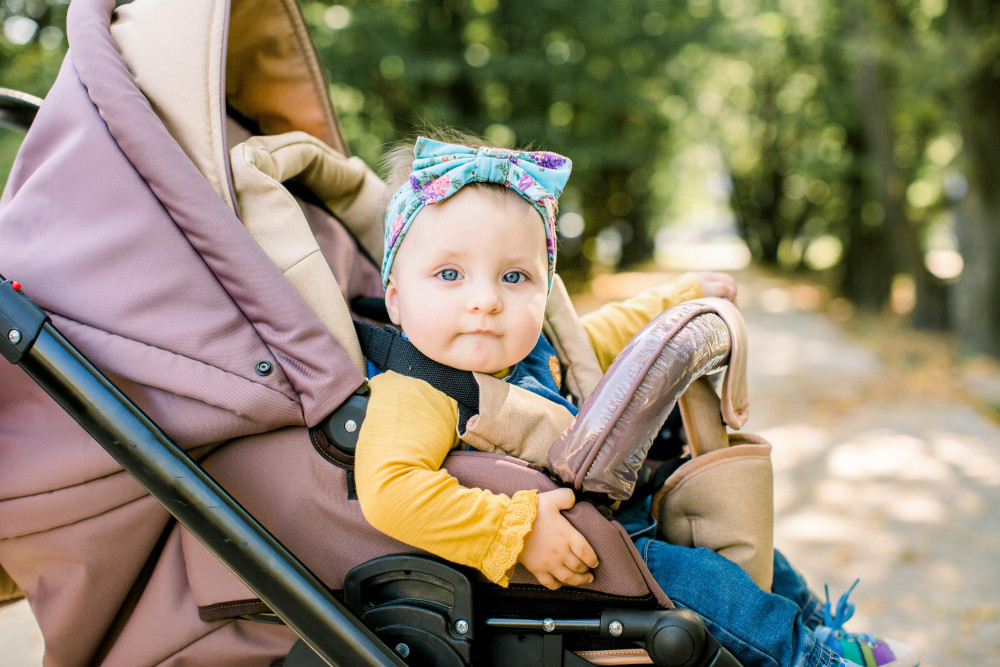
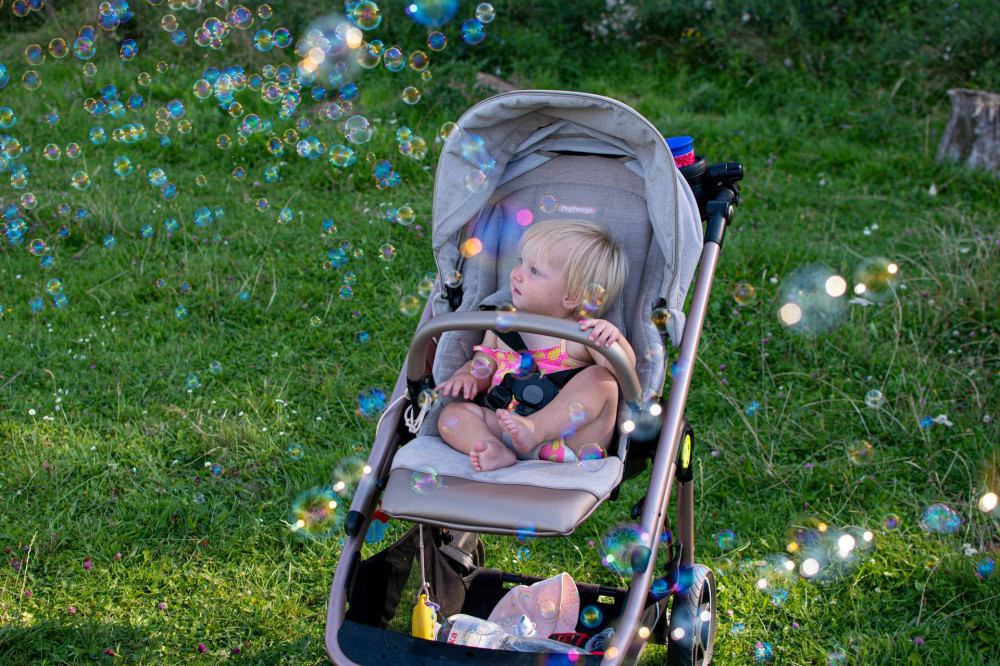
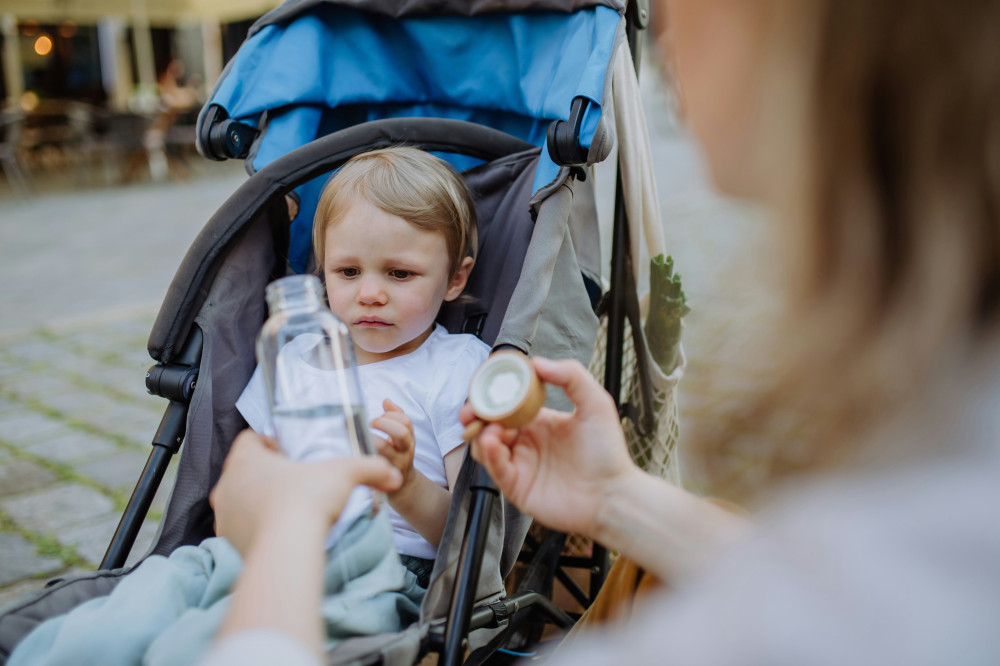
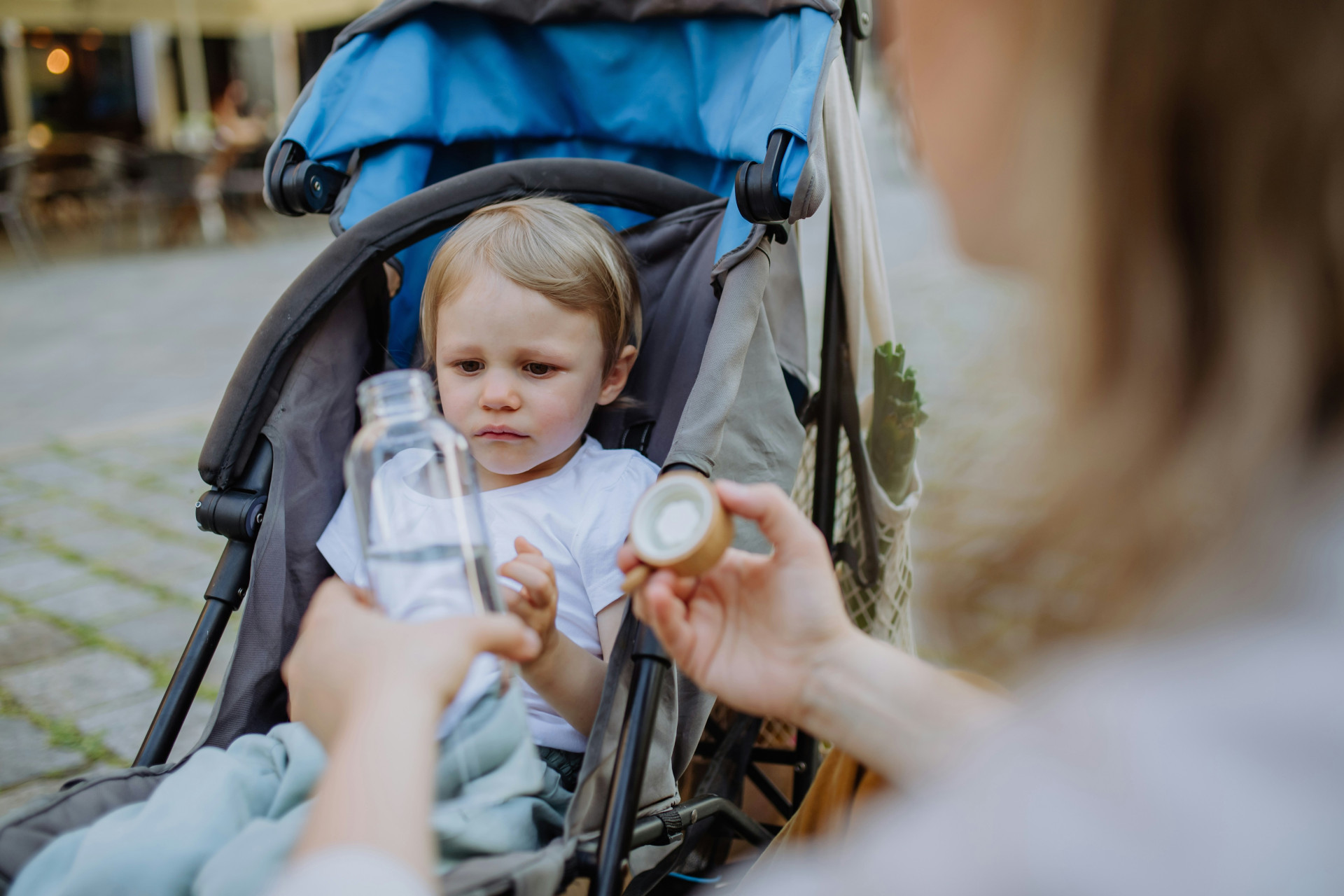
- Stroller – You’ll use it often, so choose one that fits your lifestyle—whether that’s city sidewalks, suburban parks, or travel. A quality used stroller can be a great option if it’s in good condition and hasn’t been recalled.
- Crib and mattress – A safe sleep space is essential. Cribs should meet current CPSC safety standards, and mattresses should be firm and clean. If you buy used, avoid drop-side cribs and always check for recalls.
- Changing area – You’ll need a stable, comfortable place to change diapers. It doesn’t have to be a fancy changing table—a sturdy dresser with a changing pad works just as well.
- Baby monitor – Especially useful if you live in a larger home or have multiple floors. A simple audio monitor is often enough, but make sure it has good range and sound quality.
These are the items you’ll use most frequently and for the longest time, making them worth owning.
Læs også:
Items You Can Borrow or Share
Many baby products are used for only a short period, so borrowing or sharing can save money and reduce waste.
- Bassinet or bedside sleeper – Used for just the first few months. They take up space but don’t wear out quickly, so borrowing one from a friend or family member makes sense.
- Baby carrier or wrap – Some parents use them daily, others rarely. Try borrowing different styles before deciding which one works best for you.
- Baby swing or bouncer – Babies often outgrow these quickly. They’re perfect for sharing among families.
- Play gym or activity mat – Fun but short-lived entertainment. These can easily rotate between families.
- High chair – Many models grow with your child, but for the early months, you might borrow a baby seat or an extra chair from friends.
Sharing baby gear isn’t just practical—it also builds community among parents, who often share tips and experiences along with the gear.
Buying Used—But Safely
The secondhand market for baby gear in the U.S. is huge, from Facebook Marketplace to local consignment shops. You can save a lot, but keep these safety tips in mind:
- Check for recalls – Visit the Consumer Product Safety Commission (CPSC) website to make sure the item hasn’t been recalled.
- Inspect for damage – Especially for car seats, cribs, and strollers. Avoid anything with missing parts or visible wear that could affect safety.
- Replace old mattresses – Used crib mattresses can harbor bacteria or lose firmness. Buy a new one if possible.
- Wash all fabrics – Clean clothing, bedding, and soft items thoroughly before use.
- Ask about history – For items like car seats or carriers, knowing how they’ve been used is key to ensuring safety.
Buying used is a smart way to save money and reduce environmental impact—just be diligent about safety.
How to Share and Borrow in Practice
There are many ways to share baby gear in the U.S. Local parenting groups, neighborhood Facebook pages, and “Buy Nothing” communities are great places to start. Some libraries and nonprofits even run baby gear lending programs, where you can borrow items for a few months.
You can also set up an informal exchange among friends and family. One family might have a bassinet, another a swing, and another a baby carrier. As babies grow, the gear can move on to the next family. It’s a simple, sustainable system that saves money and builds connection.
Think Long-Term and Flexible
When choosing baby gear, consider how it can grow with your child or serve multiple purposes:
- A convertible stroller can transition from newborn to toddler.
- A high chair with adjustable height can last for years.
- A dresser with a changing pad can later serve as regular storage.
By thinking ahead, you’ll avoid frequent replacements and get more value from your purchases.
Less Gear, More Connection
It’s tempting to buy everything the ads suggest, but babies truly need less than we think. What matters most is comfort, safety, and time together. The gear should support your daily life—not take it over.
By mixing smart purchases with borrowing and sharing, you can create a practical, sustainable, and budget-friendly start to parenthood. And you might find that simplicity makes those early months even sweeter.
Læs også: