Free Play and Structure: How to Find the Right Balance with Outdoor Toys

Free Play and Structure: How to Find the Right Balance with Outdoor Toys
When kids play outside, they experience a kind of freedom and creativity that screens and indoor activities can’t quite match. They run, climb, build, and explore — developing motor skills, imagination, and social awareness along the way. But how do you find the right balance between free play and structure when it comes to outdoor toys? Too much direction can stifle creativity, while too little can lead to frustration or boredom. Here’s how to create the best environment for outdoor play that’s both fun and enriching.
Why Free Play Matters
Free play is how children make sense of the world. When they decide what and how to play, they practice independence, problem-solving, and cooperation. It’s where they learn to negotiate roles, invent rules, and use their imagination without adult control.
Outdoor free play adds another layer of benefit — movement and connection with nature. Kids get fresh air, use their bodies, and interact with natural materials like dirt, rocks, sticks, and water. These sensory experiences help them understand their environment in a hands-on way.
But free play doesn’t mean adults should step back completely. It’s about creating an environment that invites play without dictating it.
Structure as Support — Not Control
A bit of structure can help, especially for children who need a starting point. This might mean setting up a simple activity, introducing a few rules, or providing toys that give direction — like a soccer goal, a balance beam, or a set of lawn games.
The key is to let structure serve as a springboard, not a boundary. Once kids are engaged, they can take over — changing the rules, building on ideas, or inventing something entirely new. That’s where creativity and learning really take off.
Think of a sandbox: it has clear edges, but endless possibilities. Kids can dig, build, “bake,” or create imaginary worlds — all within a simple, open-ended space.
Choosing Outdoor Toys That Spark Imagination
When picking outdoor toys, think in terms of possibilities rather than specific functions. Toys that can be used in multiple ways give kids the freedom to create their own play. Here are a few ideas:
- Building materials – large blocks, planks, or tubes that can be assembled and taken apart.
- Classic play gear – balls, jump ropes, and frisbees that work for solo or group play.
- Nature exploration tools – magnifying glasses, bug catchers, or small gardening tools that encourage discovery.
- Creative supplies – sidewalk chalk, washable paint, or water sprayers for artistic fun.
The best toys don’t “tell” kids how to use them. The more open-ended they are, the more freedom they offer.
Creating an Inspiring Outdoor Space
A great outdoor play area doesn’t have to be big or fancy. It’s about variety and small zones where different kinds of play can happen. A grassy corner can become a “nature lab,” while a paved area is perfect for chalk art or ball games.
Incorporate natural materials whenever possible. A pile of sticks, stones, or leaves can be just as exciting as store-bought toys. These materials invite building, experimenting, and imaginative play — and they change with the seasons, keeping things fresh.
When Adults Join the Fun
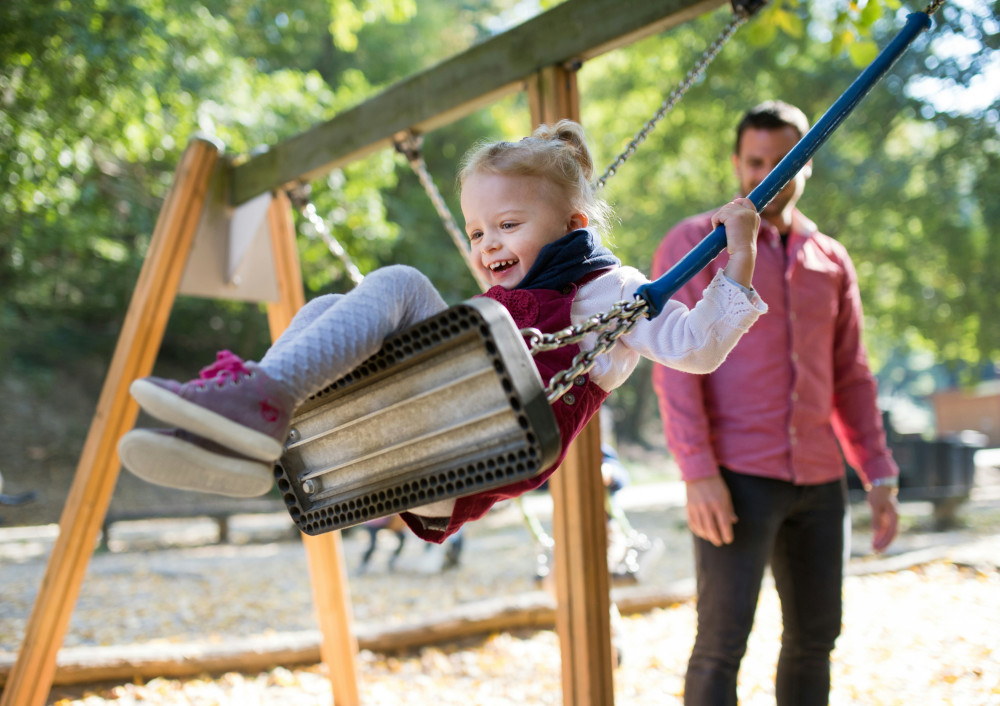
Adults play an important role in outdoor play — not as instructors, but as participants or observers. By showing interest and being present, you signal that play matters. You can ask questions, help gather materials, or simply watch and enjoy.
The goal is to balance support with space. Sometimes kids need a little encouragement; other times, they need room to dive deep into their own ideas. Listen to their cues and let them lead.
Balancing Freedom and Safety
The best outdoor play happens when kids feel safe enough to take risks. That means they understand the boundaries — both physical and social. Adults can help by setting clear but simple guidelines: where it’s safe to play, how to look out for one another, and when it’s time for a break.
When children know the limits, they feel confident exploring within them. That’s where the balance between freedom and structure naturally emerges — and where play becomes both joyful and meaningful.
Læs også:
Making Play Part of Everyday Life
Outdoor play doesn’t have to be a special event reserved for weekends. Short bursts of play in the backyard, at the park, or on the driveway can be just as valuable. What matters most is that play becomes a natural part of daily life — a space for curiosity, creativity, and movement.
By creating the right environment and giving kids room to explore, you’re helping them build imagination, confidence, and a lifelong love of being outdoors. It’s a simple investment that pays off far beyond childhood.
Læs også: